


Stay informed with our art news and market insights.
Building an art collection is an exciting and rewarding venture, but as early decisions can have long-term impact on your budget and wall space, it’s worth making yourself aware of the common mistakes made by new collectors.
From skipping due diligence, underestimating costs, and relying on incomplete information.
Fine Art Brokers supports new collectors with step-by-step guidance through buying and selling decisions. While collecting art should be enjoyable and somewhat intuitive, a considered approach helps protect your budget, reduces risk, and strengthens long-term collecting goals. We’ll help you avoid the common mistakes any new art collector should avoid.
A common mistake involves purchasing impulsively without any sort of focus. We certainly don’t advocate being too rigid in your thinking, but collections which start without any common theme, period, medium, or artist strategy will be disjointed and more a group of artworks than a ‘collection’. Also, it will be harder to refine later.
So we suggest you think what shared aspects you’d like your collection to have. It could be based on one artist or a group of artists, or a certain type of subject matter. Being aware of these thoughts – even if you stray from time to time – help develop your taste and knowledge and budget range, and especially where to source your preferred choices.
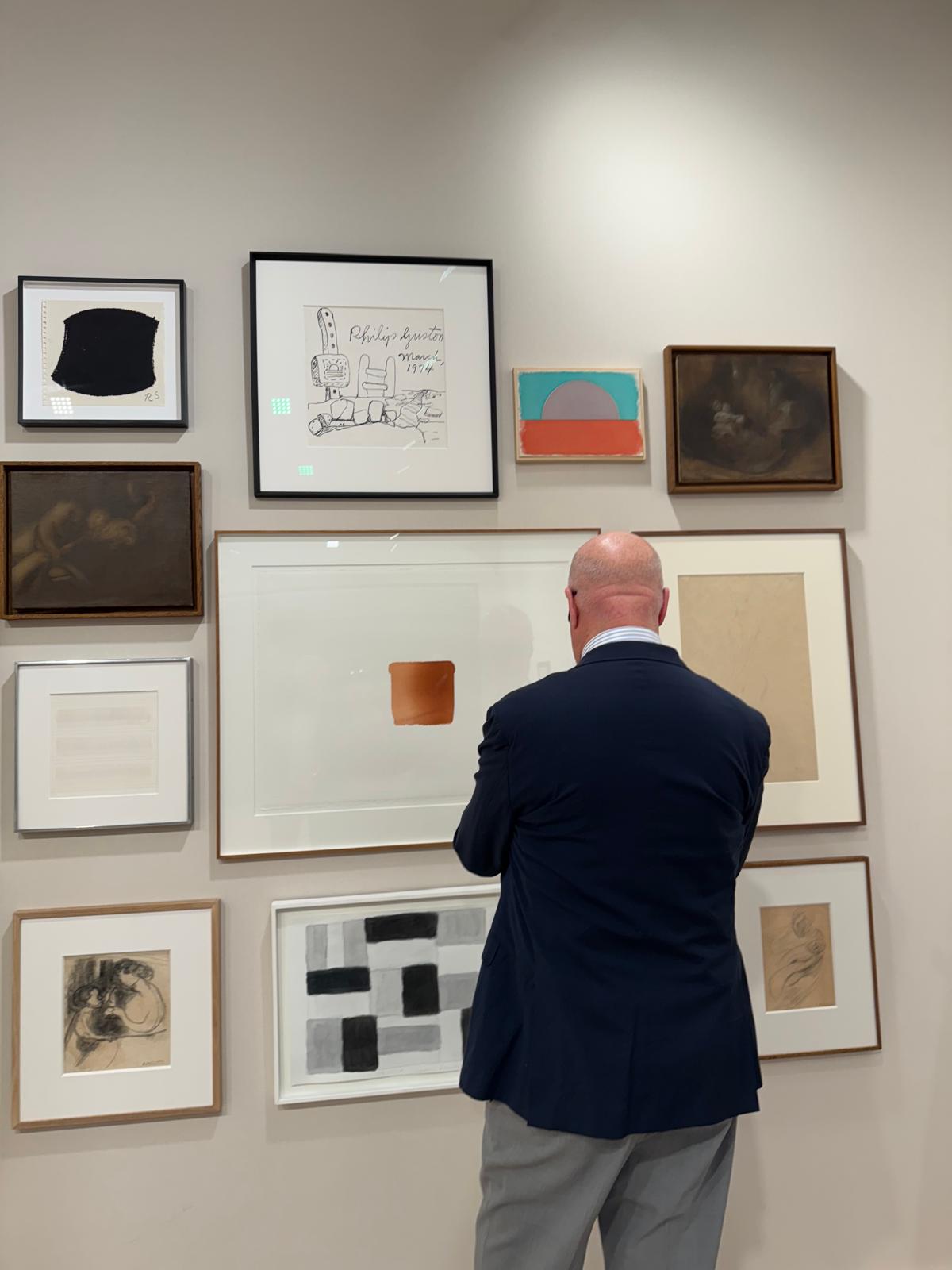
Ray Waterhouse sourcing artwork at TEFAF Maastricht 2025
High prices do not automatically signal quality, rarity, or long-term demand. A gallery on Worth Avenue in Palm Beach will almost certainly charge more for an artwork than a gallery where rents and perceived prestige are less. So it’s worth trying to compare prices for similar artworks in various locations – online art platforms are helpful for that. Comparing values for editions (such as limited edition prints) is easy but comparing unique works requires more experience and taking subject matter, condition, date and provenance into account. Having said that, good galleries even in classy locations can actually add real value if they present top examples and artists not available elsewhere.
One aspect of the art market that has developed over the last 10 or 15 years is the proliferation of galleries on top streets like Madison Avenue in New York which offer glitzy, somewhat kitsch art that are rip-offs of other artists, and charge high prices and declare investment potential. Beware such places which rely on location and bright lights to sell to tourist collectors.
Sound decisions rely on objective factors like provenance, condition, exhibition history, and comparable sales. Fine Art Brokers can provide pricing context before a commitment locks in avoidable costs.
Provenance is the history of ownership. Clearly an artwork bought from an artist or primary gallery won’t yet have provenance. But secondary market purchases should be checked for established provenance. Gaps in provenance can create serious problems later, especially if the work is European and the gap is during the WW II. A collector should confirm prior ownership, documentation quality, and any restrictions that could affect transfer. Title issues can surface when sellers lack clear authority to sell or paperwork fails to match the work.
New collectors sometimes focus too much on initial visual appeal and overlook condition details that affect future value. Even minor issues like surface abrasions, discoloration, or old repairs can change marketability. Learn about conservation terminology such as relining, how an ultra violet light can show retouching, craquelure, blistering etc., and ask the seller about condition.
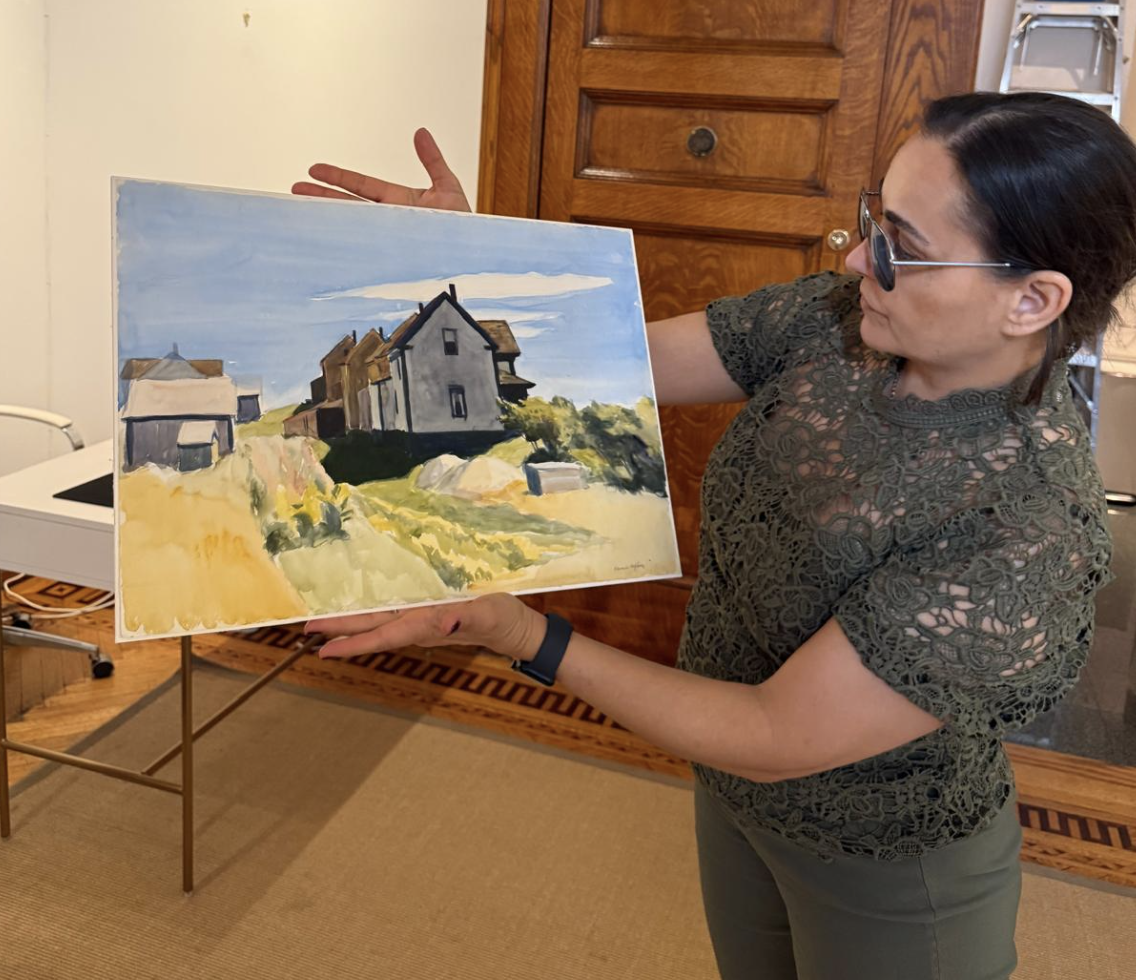
Sandra Safta Waterhouse with an Edward Hopper.
Assumptions based on a signature, a label, or a confident seller create unnecessary exposure. Authentication often requires multiple inputs, including expert review, catalogue raisonné checks, and supporting records.
Relying on informal opinions can lead to expensive disputes and limited resale options. Fine Art Brokers can help assess authentication pathways and connect collectors with authentic works and sellers.
Purchase prices represent only part of the financial picture. Additional costs can include buyer’s premiums (if buying at auction and these are now about 27%), taxes, shipping, insurance, framing, storage, and future conservation. Account for these items through thorough budget planning before negotiations begin.
Different channels carry different risks, protections, and pricing dynamics. Auctions, galleries, private sales, and online platforms each require a different level of due diligence and negotiation approach. Ask each place about their guarantees and check their Terms and Conditions.
A mismatch between channel and experience level can lead to overpayment or documentation gaps. Fine Art Brokers can recommend the right path, including auction services when appropriate.
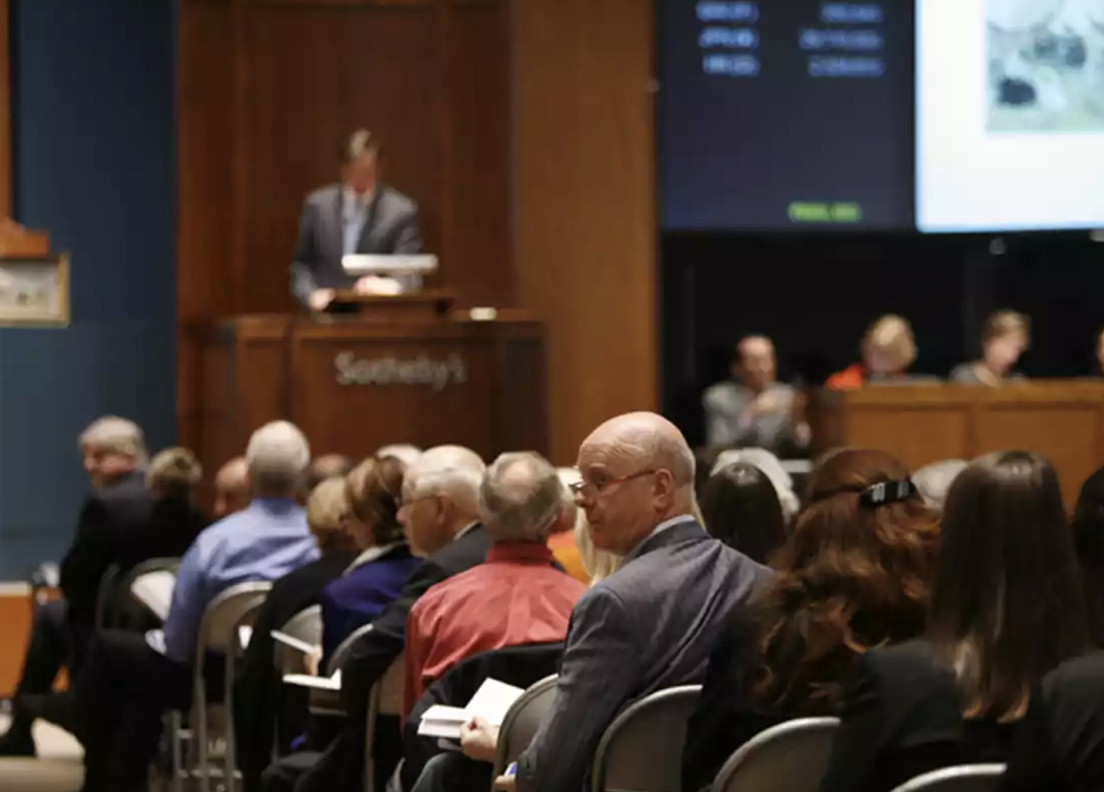
Ray Waterhouse at a Sotheby’s auction.
A single article, a single dealer opinion, or one recent sale rarely provides a full market view. Trends vary by region, medium, artist career stage, and the specific work offered.
Stronger decisions draw from multiple comparable sales and objective documentation. An art brokerage relationship with Fine Art Brokers helps consolidate research into a clear, defensible buying rationale.
Strong personal connection to a work can be positive, but rushed decisions increase risk. Pressure tactics, short deadlines, and fear of missing out often appear in competitive moments. A disciplined process protects both the collector and their long-term collection.
New collectors sometimes assume pricing remains fixed or feel uncomfortable negotiating. Many transactions allow room to discuss price, payment terms, delivery timelines, and contingencies tied to documentation. Negotiation also includes asking for updated condition information or additional images. If you’re unfamiliar with negotiating, it’s highly recommended to seek out an art buying expert to ensure you pay a fair price.
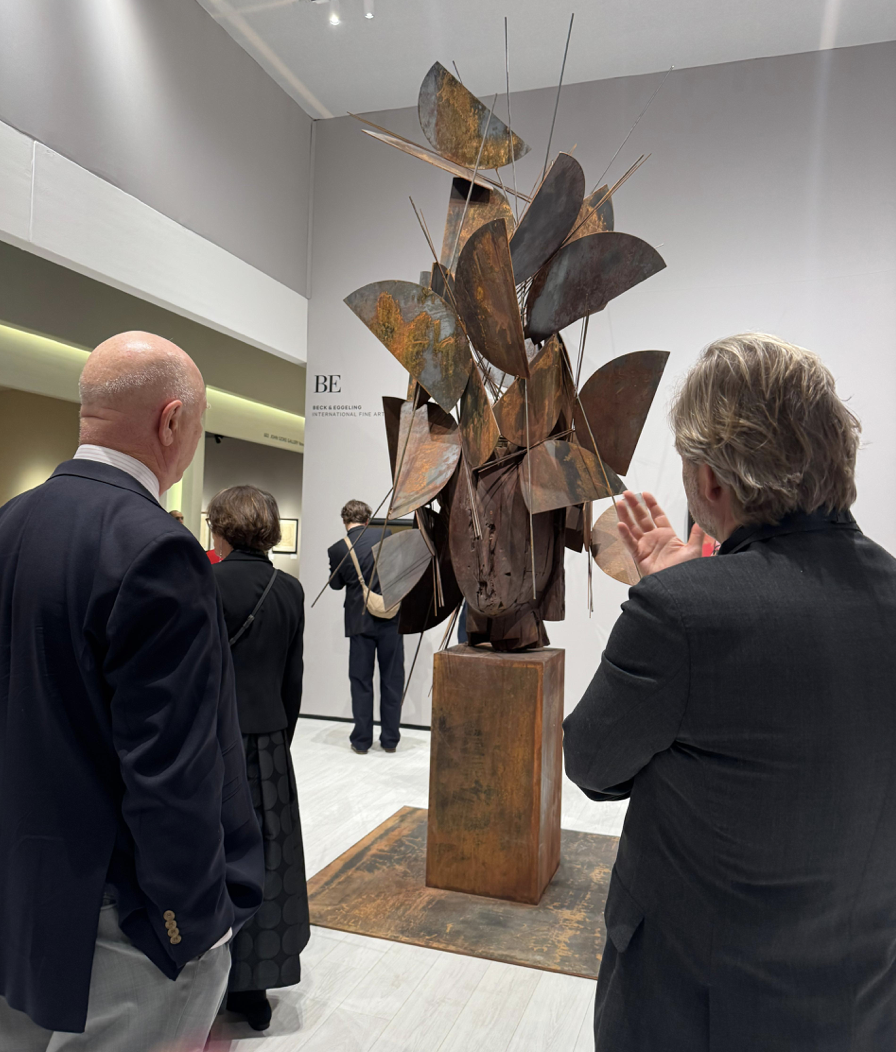
Ray Waterhouse viewing a Manolo Valdes sculpture at TEFAF Maastricht 2026.
Building a collection implies keeping most pieces, but assessing resale considerations still matter. Liquidity differs widely across artists and categories, and certain works sell faster than others.
Planning for potential resale encourages better documentation, stronger condition standards, and realistic pricing expectations. Fine Art Brokers supports both buying and selling decisions, which helps align acquisitions with future flexibility.
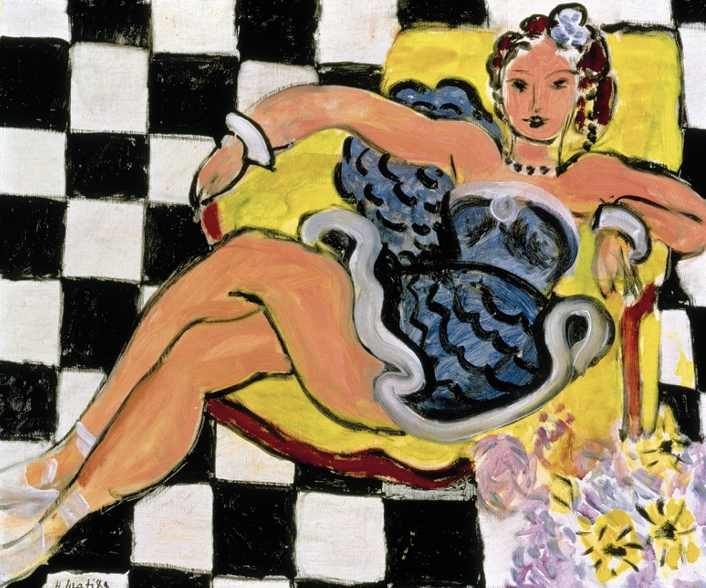
Henri Matisse, Danseuse dans la fauteuil, 1942. Purchased for a client at $7.5 million and resold for $21.5 million six years later.
Insurance gaps create immediate exposure once a work leaves a seller’s premises. Policies should reflect accurate valuations and match the work’s location, whether at home, in storage, or in transit.
Documentation also matters for claims, appraisals, and future sale. Experts can advise on the records to keep, including invoices, condition reports, shipping documents, and provenance materials.
Markets move in cycles, and certain segments heat up and cool down quickly. Buying at peak excitement without comparable research can lock in inflated pricing.
Timing also matters for selling, consigning, and upgrading a collection. Explore market context to help choose moments that align with collecting goals and budget discipline.
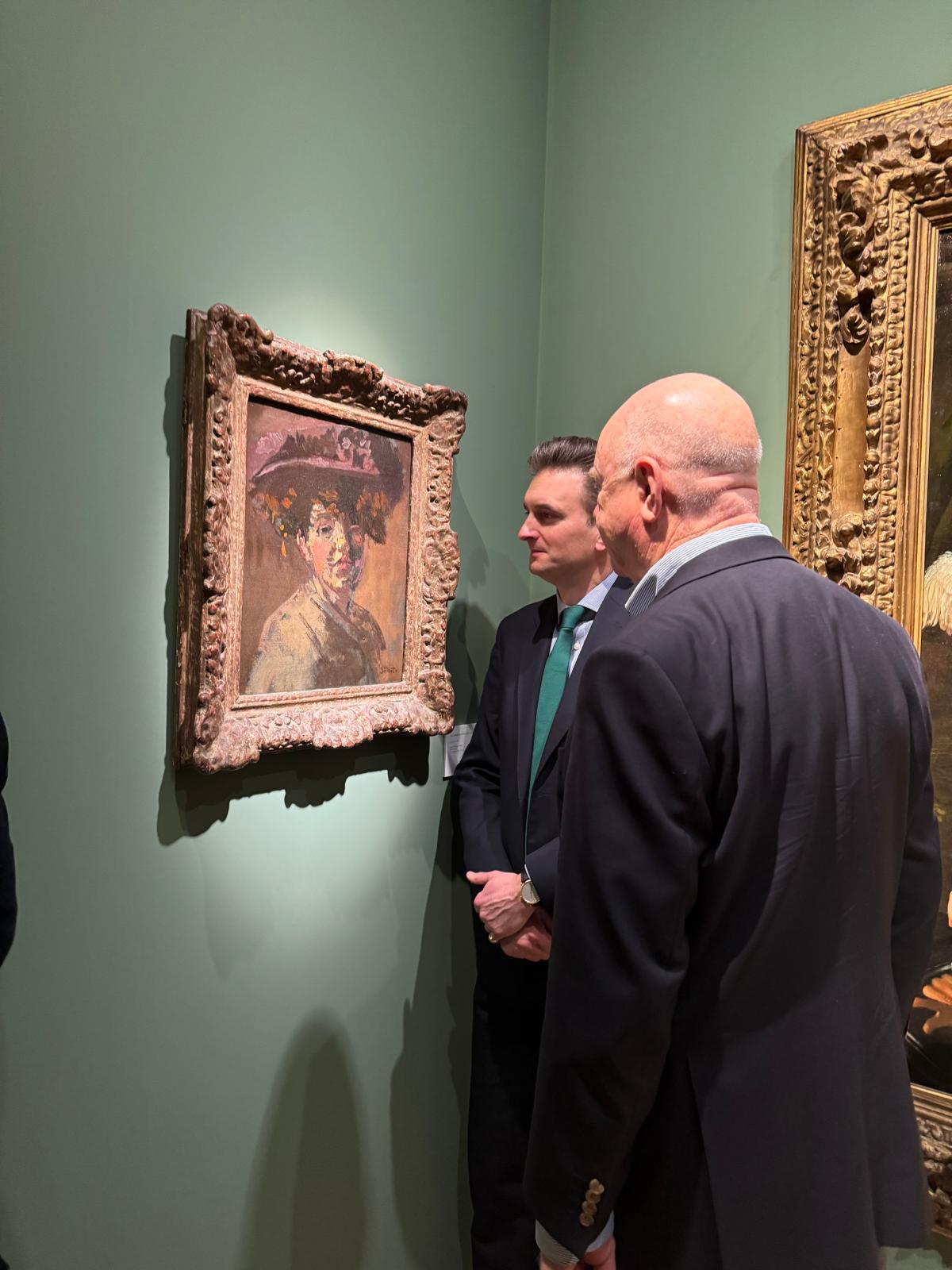
Ray Waterhouse and Oliver Shuttleworth viewing a painting at TEFAF Maastricht 2026
Collecting requires expertise across valuation, authentication, conservation, logistics, and market behavior. Attempting to manage every step without expert support can create avoidable mistakes and unnecessary expense. Going toa rt fairs and auctions and talking to dealers and auction experts help develop your knowledge.
Good art advisors and brokers offer experienced, client-focused guidance designed to protect best interests throughout the process. A collector seeking a more confident start should consider contacting an art advisor to discuss goals, budget, and the right next steps.
New collectors often assume online research and seller assurances provide enough protection. That approach increases exposure to pricing errors, documentation gaps, and avoidable condition or authenticity disputes.
Expert guidance adds structure to evaluating a work’s value, verifying provenance, and choosing the right buying channel.
Most early art collecting mistakes to avoid trace back to incomplete research, weak documentation, and rushed decisions. Even s slightly more disciplined process improves outcomes and reduces risk across both buying and future selling.
Fine Art Brokers advocates considering the points mentioned above, but we also strongly encourage enjoying your collecting journey and make it a journey of passion as well as diligence.