


Stay informed with our art news and market insights.
Viewing art online is now a totally essential method for collectors, art dealers and advisors. While printed gallery and auction catalogues still play an important role, sourcing and researching artworks is now predominantly done online, whether by email, websites, or online platforms.
According to the Art Basel & UBS Art Market Report 2026 – the established lexicon of art market economics - the percentage of all art purchases made in 2019 online was 13%, rising to 39% in 2020 when we all went digital due to the pandemic. Once in-person exhibitions and fairs returned, this fell back and in 2025 the share of online sales was 16%.
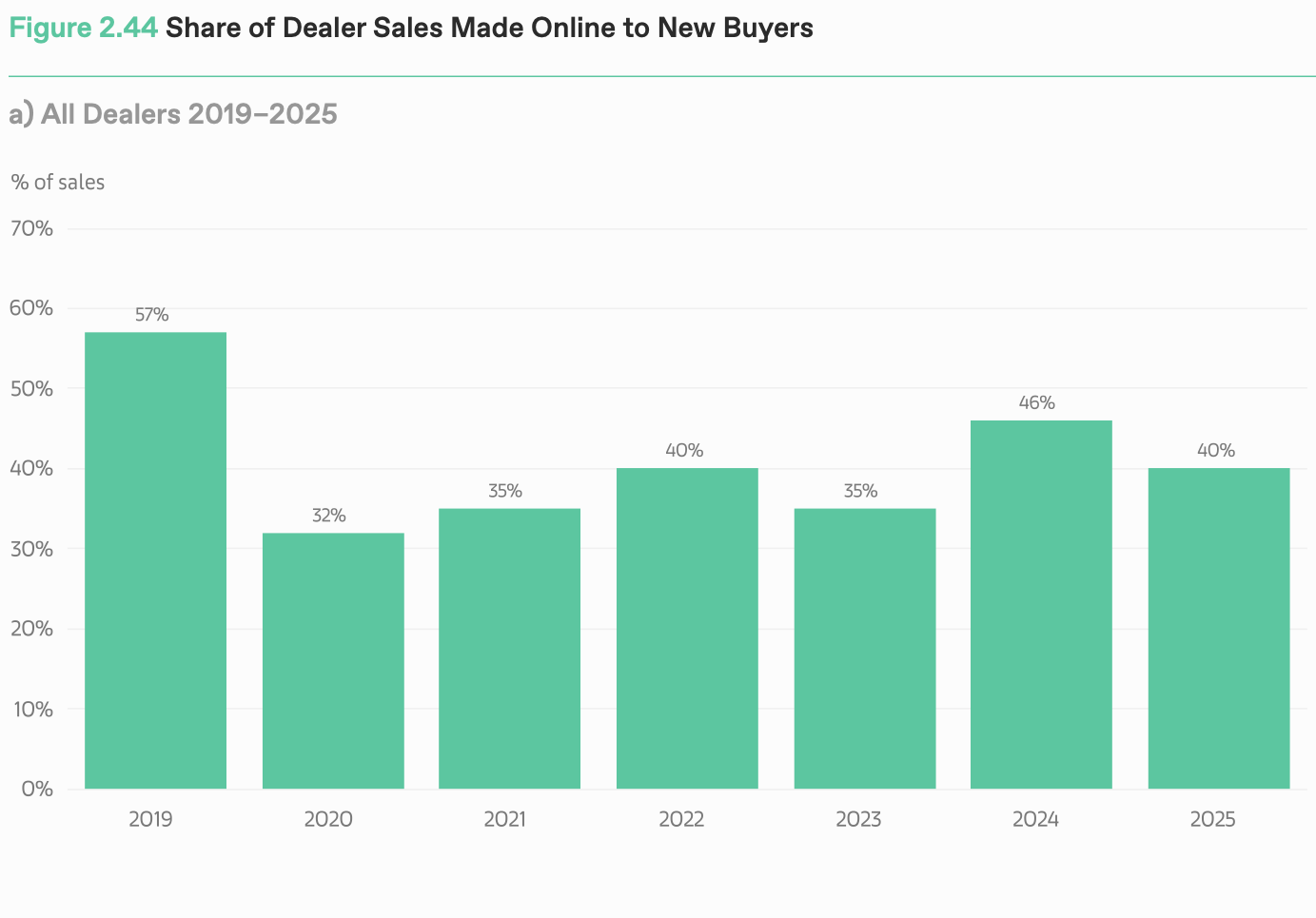
But these figures are for actual purchases made online. These numbers don't reflect how an artwork is first seen by the eventual buyer. We have asked a few art market insiders, and the consensus is that over 80% of purchases now begin by seeing an image online.
Obviously, all artists and galleries rely heavily on their own websites, but increasingly collectors get to these sites having seen something of interest on online platforms such as Artsy and Artnet. Other sites include MutualArt, 1stDibs and Saatchi Art.
One significant aspect of art being available online is that it levels the playing field and gives new collectors living in, say, Hong Kong or Naples, the same access to New York auctions or exhibitions, for example, as seasoned collectors in New York City. Clearly being able to view in person and discuss face to face with the experts adds huge advantages but anybody with a phone can check what’s on offer.
Here, we at Fine Art Brokers give hints about the pros and cons of using these sites; the questions to ask; how to analyze the information given; and how to avoid mistakes. We advise those buying online to do their own due diligence or ask an expert fine art advisor for advice. Good fine art advice can save you money in many ways, even after paying an advisory fee.
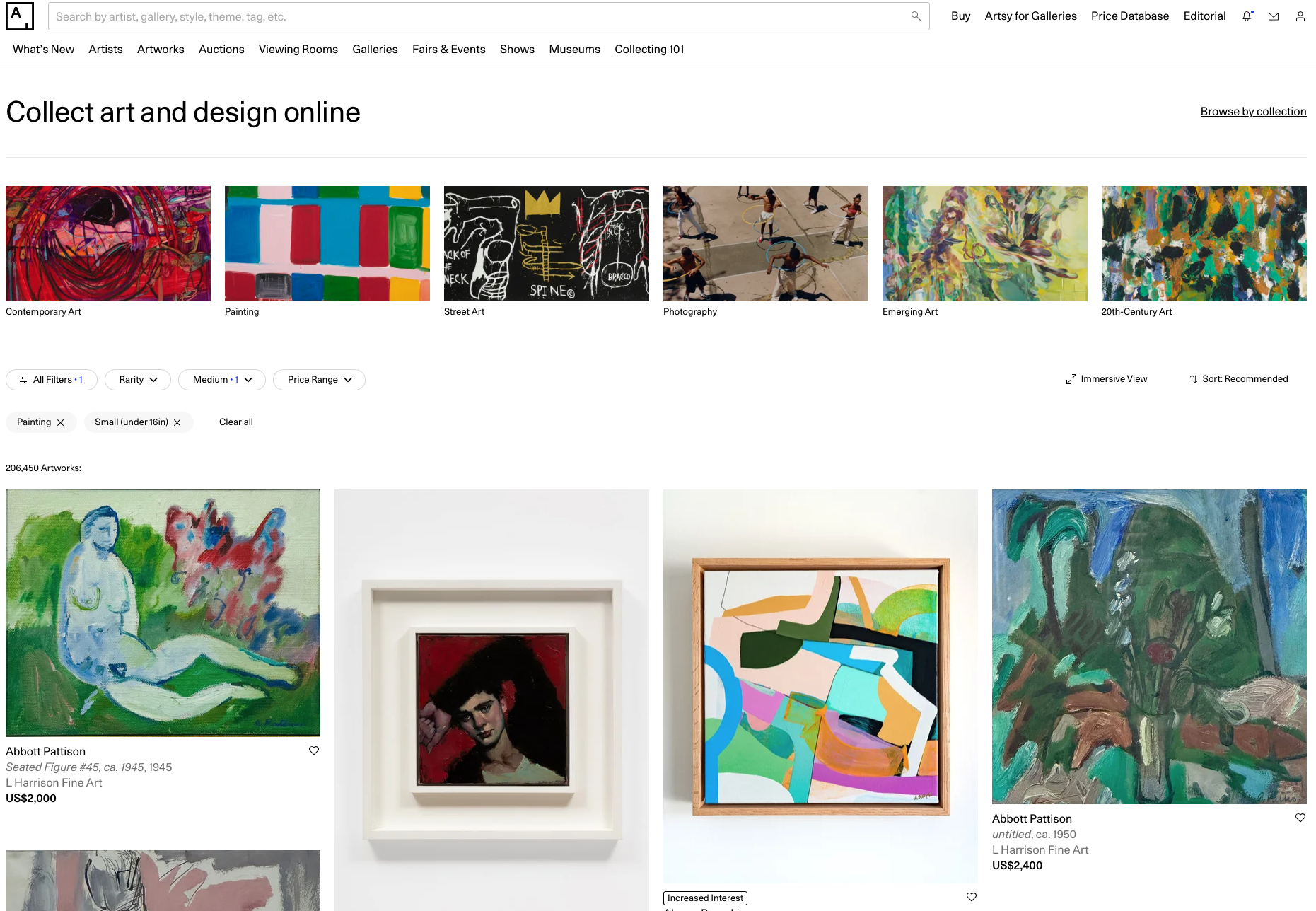
Artsy (www.artsy.net) now stands out as the main global marketplace connecting collectors to galleries, auction houses, and art fairs. Collectors can not only browse works by specific artists but also filter their viewing by size, period and price – and even color. You can also explore exhibitions, art fairs, and galleries’ viewing rooms. The platform also has an ‘editorial’ section where collectors can keep up with the current news of the artworld, and you can sign up for ‘alerts’ on pieces that fit your criteria. You can also buy certain pieces through the portal allowing for a certain sort of guarantee through Artsy.
But while there are filters, there is no filter about quality or even authenticity. A gallery or artist can post anything; there is no review process. The viewer must make his or her own judgements, so doing your own due diligence or working with an advisor to select the right piece, ask the full questions needed and negotiate the right price is needed.
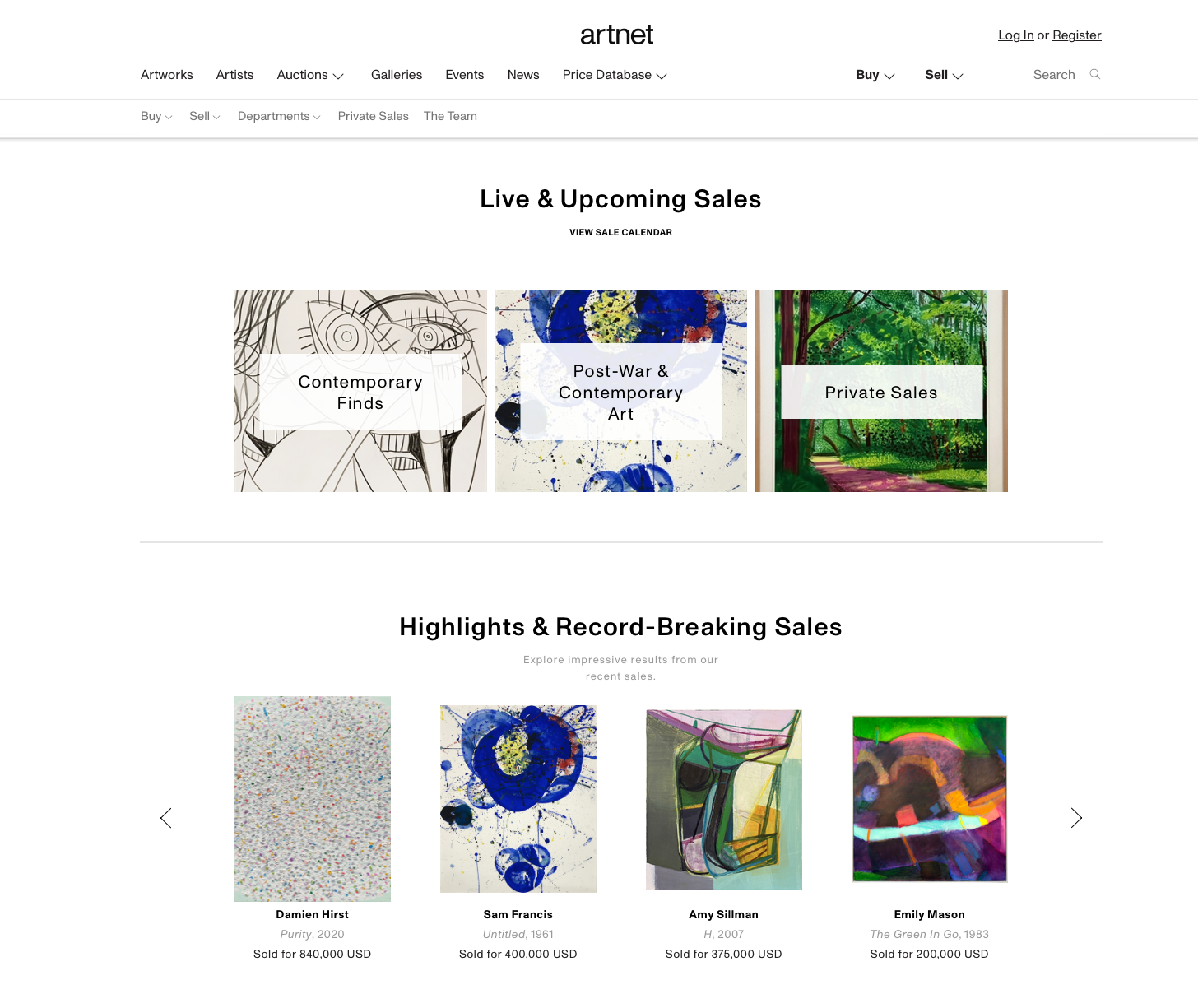
Artnet (www.artnet.com) is another credible source and used to be the market leader for sourcing art. Only galleries can have a membership, so postings are more controlled and are reviewed by a team of art professionals before they go live. Theoretically, this weeds out a lot of ‘bad’ art. Artnet is unique in the way that it also has an extensive auction price database which is great for comparing price histories. Similarly to Artsy, it also has a news section.
Artnet is strongest for secondary market work. It does not have a wide range of contemporary art, which is why Artsy has overtaken it overall. Though the majority of galleries worldwide who participate are reputable, it’s still important for collectors to research and evaluate sources carefully.
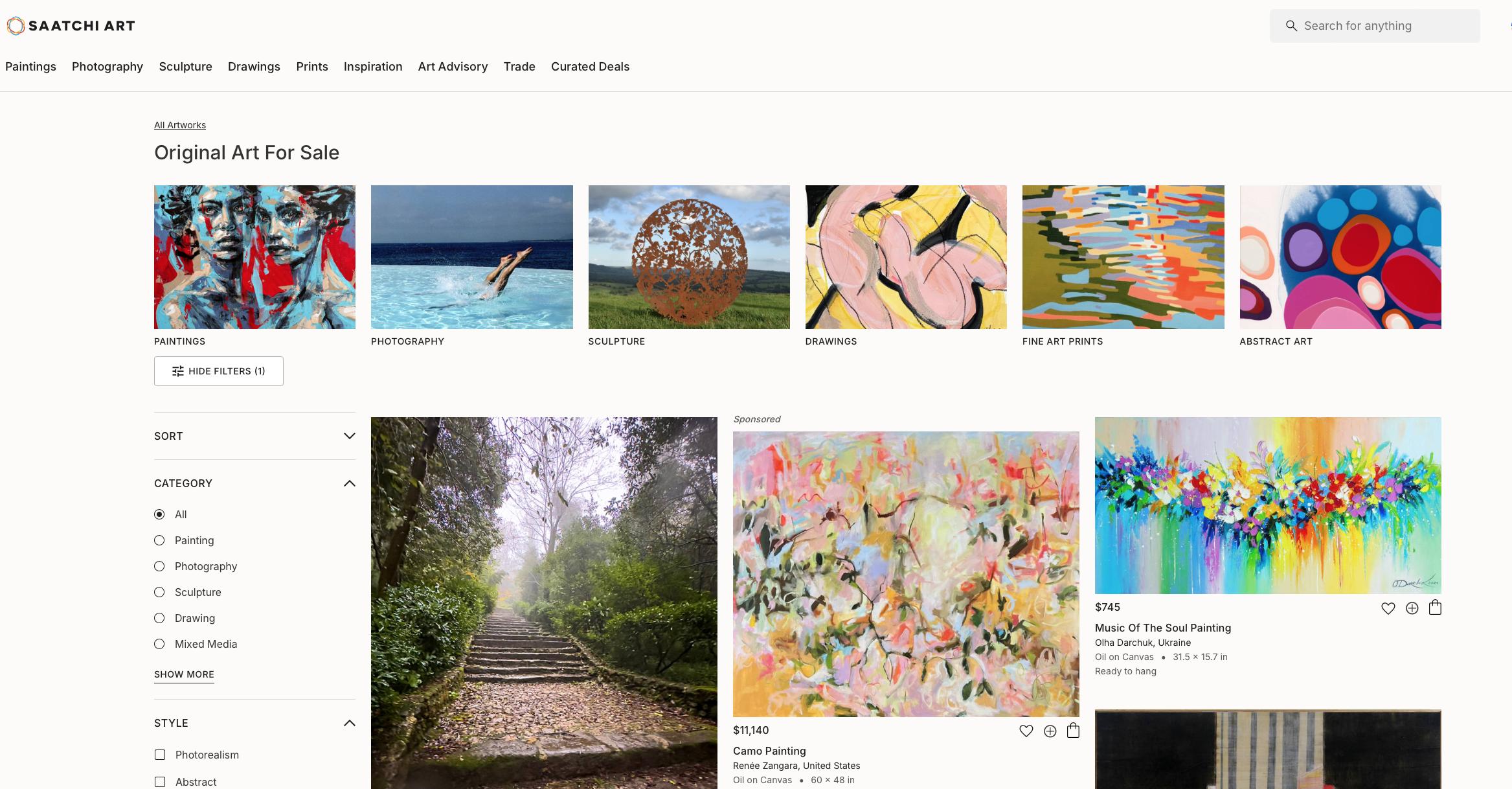
Platforms like Saatchi Art (www.saatchiart.com) and MutualArt (www.mutualart.com) operate with more open-door models, which means that anyone can submit artwork and this naturally leads to a lack of quality control and can be very overwhelming if a collector does not have a specific artist or a direction in mind. The quality of works posted varies and some may even be inauthentic. It is a good source for discovering your taste, but you should be wary when buying from these platforms if you’re looking to start a serious collection.
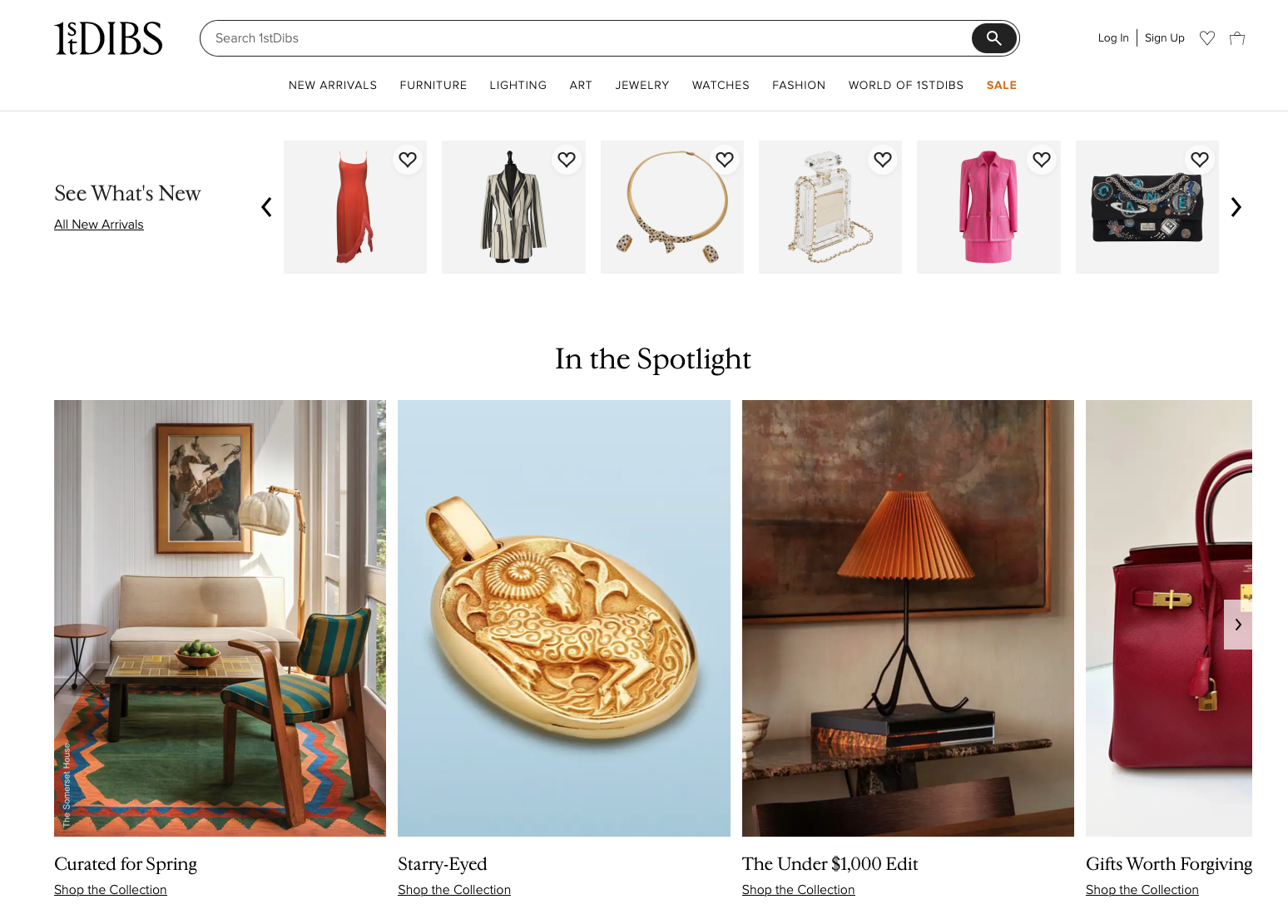
1stDibs (www.1stdibs.com) operates on a slightly different level as it is a marketplace that extends beyond fine art into fashion, furniture, jewelry, and antiques. It is often used by interior designers and can also be overwhelming for new collectors given the quantity of products available. You can also make offers online.
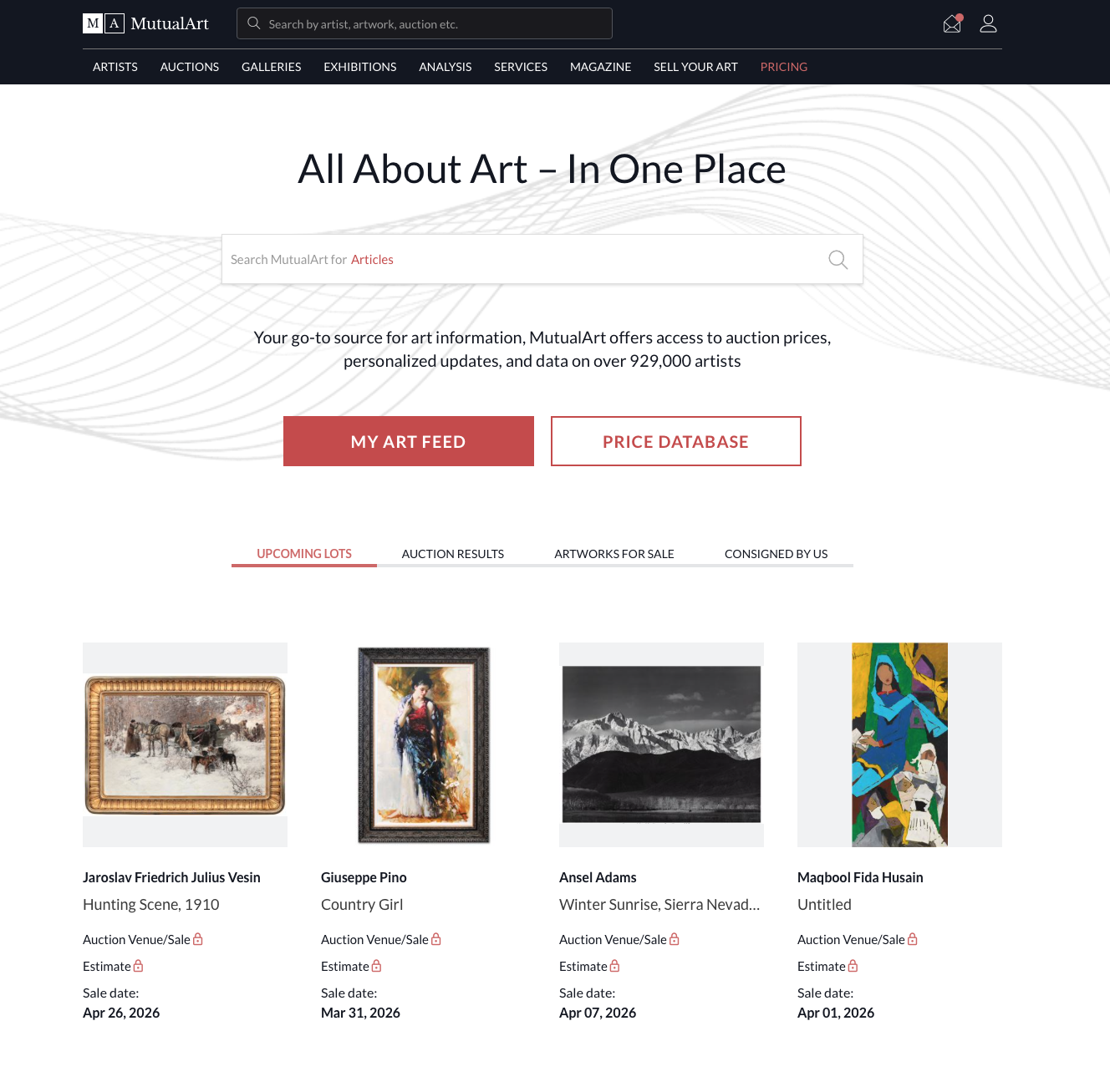
MutualArt (www.mutualart.com) is often compared to Artnet for its focus on tracking auctions, exhibitions, and artist data, making it a useful research tool for collectors, but not the best place for making purchases.
Before making a decision, our main advice is to ask lots of questions about
At Fine Art Brokers, as experts with many years experience of the global art market, part of our role is to provide clients with comprehensive information about the artwork they are buying or selling. This includes price comparisons of similar art, the artists’ auction records, exhibition history, and references in literature, among other details. And also, to administrate complicated export licenses. Many galleries rely on these online platforms as a source for this information; however we also utilize private and insider sources to verify the accuracy of what is presented online.
The main aspect to establish when buying art online is trust of the seller and trust in your own opinion. See if the seller (a dealer or a gallery) is part of an association or if they exhibit at established and respected fairs. You should also see if they have their own website, independent of the online platform, active social media accounts and reputed payment gateways. Once you’ve done your due diligence, start a conversation.
Requesting lots of different images of the artwork — including the front, the back and any labels — is recommended. Also ask about the guarantee policy, as this varies from country to country and seller to seller, import taxes, insurance and shipping. Building a comprehensive dossier around the gallery, artist and artwork will develop your expertise and understanding of what further questions you may need to ask.
When it comes to confirming a work’s authenticity, there is no ‘one size fits all’ approach. If you’re buying a contemporary artwork from a dealer online, make sure you get a comprehensive invoice that includes artwork title, dimensions, date, and edition number if it’s a print. For secondary market works, you’ll need a Certificate of Authenticity from the expert or recognized authenticating body.
When buying art online, it’s important to take practical considerations into account such as the size of your space, the size of the artwork and the type of artworks hanging nearby.
At Fine Art Brokers we prioritize confidentiality and also transparency and ensure our clients are fully informed before completing any transaction. We have contacts in many cities and countries so can arrange for personal viewing of potential purchases.