


Stay informed with our art news and market insights.
One of the main criticisms of the art market is the opaque nature of sales data, as auction results are the only sales details published. Sales by private collectors, galleries and artists account for about 60% of sales by both number and value, but are almost never disclosed. Thus, collectors lack vital numbers on how to assess values of potential purchases.
(I have to say that this opacity is not all negative, as it creates mystery and opportunity for both buyers and sellers).
Valuing an artwork is not only analytical; it requires a combination of research, experience, personal inspection and, importantly, judgement.
Determining the value of a specific artwork is rarely straightforward. It involves a confluence of many aspects.
The Artist’s Name – the artist’s name is the equivalent of location when valuing property. A quick sketch by Picasso could be worth $500,000 – a small drawing by Michelangelo just made $27 million - while a large oil painting, however beautiful, by an unknown artist is worth almost nothing. This is because previous prices achieved by the artist, innovation, exhibition history and general market recognition are all major factors on assessing value.
‘Blue-chip’ artists with established auction records and museum presence offer more predictable valuations. Conversely, emerging artists may offer higher growth potential but come with significantly more risk. When researching a painting for a client, we analyze where the artist sits in their career trajectory - are they a mid-career artist gaining institutional attention, or an established master whose market has plateaued?
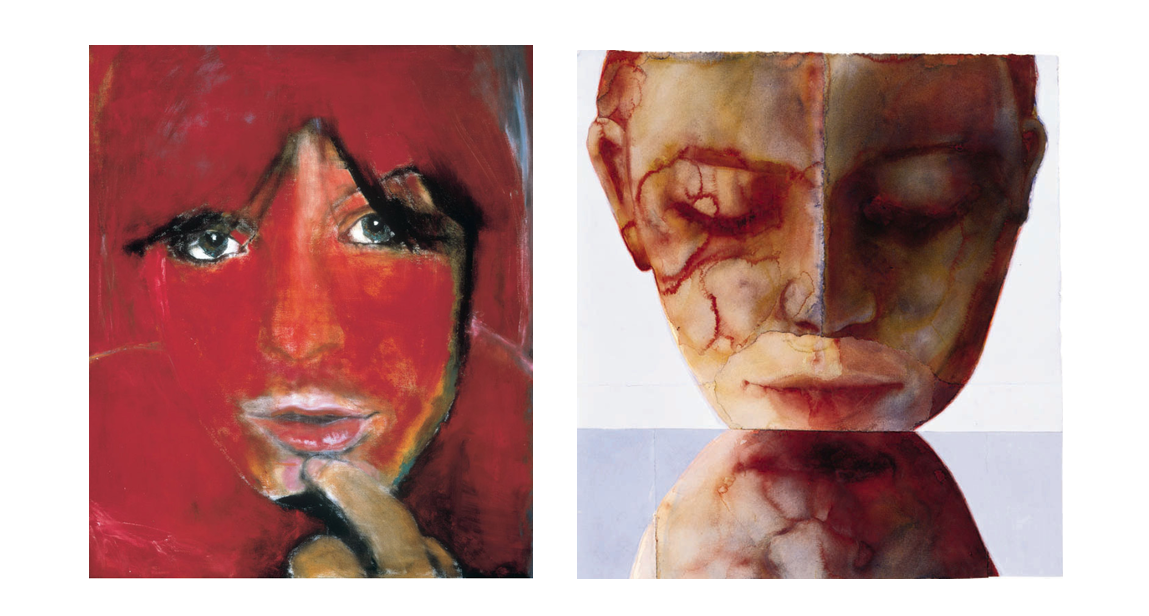
These two works look similar and are almost the same size and are by artists of the same age, born in 1951 and 1953. Dumas’ auction record is $13.6m and Dean’s is just $5,800, so Dumas’ painting is massively more valuable. If a painting looks like it was done by a famous artist or was painted by a relative of a good artist, does not represent real value. (I personally detest it when sellers say “if this was by Monet (or whoever) it would be worth $50 million”. If it is not by Monet, then the comparison is meaningless).
Art historical significance – is the work creative and innovative or derivative? Generally, the market values innovation over artists copying another artist’s style. (However, there are exceptions as Warhol rehashed other’s work and appropriation by artists such as Richard Prince have found fame and fortune).
Date – Prices are usually higher for works created near the time of a new style or at the beginning of an artist’s mature style than later works.
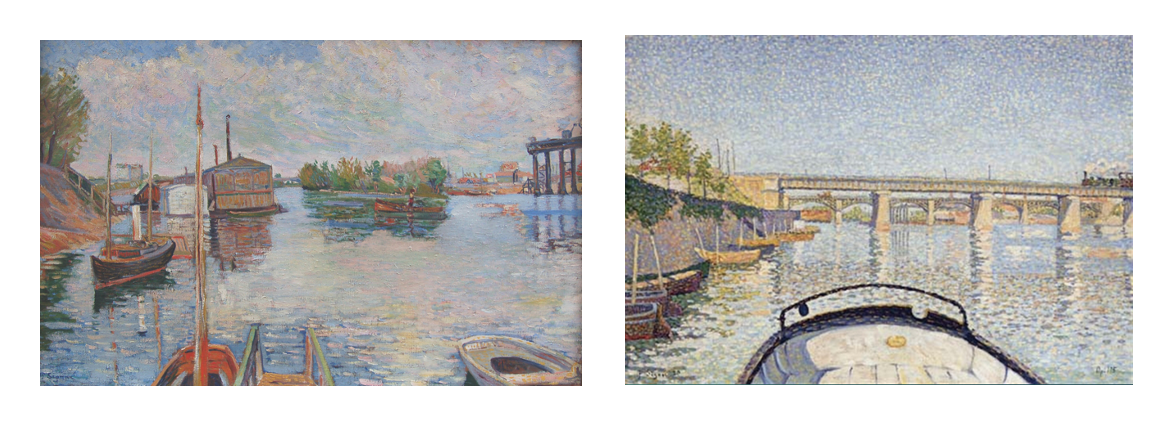
Similar looking paintings and similar size by Paul Signac, painted just 5 years apart. The first was painted two years before he started his pointillist style; we sold it for $600,000. The other is a pointillist painting and sold at auction for $11.6 million.
Subject – certain subjects command higher prices than others, both generally (e.g. a good-looking subject compared to a deathbed scene) and within one artist’s work. Also, coloration of course. These criteria even apply to abstract art but is more aligned to color and style than an objective subject of course.
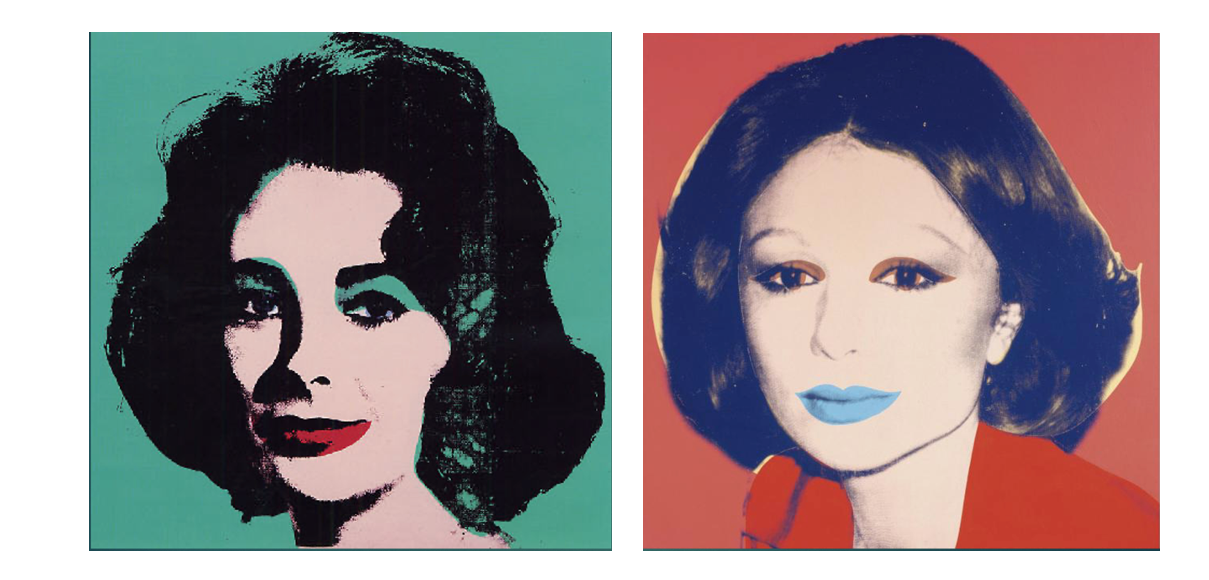
Two works by Warhol, same size. Liz Taylor is a far more commercial subject than Farah Diba Pahlavi. Also, Liz was created in 1963 at the beginning of Warhol’s celebrity series, while the other was 14 years later. Liz has made over $20 million four times at auction in different colors, while Pahlavi made $725,000.
Provenance – if an artwork has been sold recently it is usually a negative factor, while something that has been in a private collection for 20 years or more is positive. Value is enhanced if it has been owned by an important collector or has been in a good exhibition or museum show. Good provenance also acts as a seal of authenticity and quality. Gaps in ownership history, however, can raise red flags regarding authenticity or legal title, significantly depressing the value.
Condition – A work in pristine condition will always command a higher price than one that has suffered damage or extensive restoration. For older works, such as Old Masters or Impressionist pieces, condition reports are vital. Even some contemporary works can be in bad condition through maltreatment or the artist not using good materials. We provide our clients with condition reports and our own opinion.
Authenticity – Confidence regarding authenticity is a pre-requisite before acquiring an artwork. Older works should be listed in the artist’s catalogue raisonné or have a certificate from a recognized expert. More recent works need a certificate from a reputable gallery or the artist. Also, if buying from abroad check if an export license is required.
Market trends – Art trends shift. What was in vogue ten years ago may have cooled, while other movements gain momentum. Understanding macro trends - such as the recent surge in demand for contemporary female artists or under-recognized abstract expressionists - helps in assessing whether a current asking price is inflated by hype or grounded in sustained demand.
Professional appraisers tend to use standardized methodologies to arrive at a justifiable value. Understanding these approaches helps you interpret the advice you receive. But it is our opinion at Fine Art Brokers, as experienced advisors who have helped buy and sell thousands of artworks, that while these methods are useful market experience, and a trained eye are equally valuable and many so-called ‘gmail art advisors’ and art appraisers who have never actually bought and sold art don’t have the experience to truly evaluate an art purchase.
The Market Data Approach (Comparable Sales) – This is the most common method used for fine art. We look at ‘comps’ - recent sales of similar works by the same artist. We adjust for differences in size, date, subject matter, and medium. This method relies heavily on auction databases and, crucially, private sales data that only industry insiders can access. But again, these databases need an experienced person to assess correctly.
The Cost Approach – Occasionally used for insurance purposes, this method calculates the cost to replace an item with a new one of similar utility. In the context of unique fine art, this is less about manufacturing cost and more about what it would cost to acquire a similar work by the same artist in the current retail market.
The Income Approach – While rare for individual collectors, this approach is sometimes applied to corporate collections or investment funds. It values the art based on the income it could generate, such as through rental fees for exhibitions or licensing rights. For most private collectors, however, the primary focus remains on capital appreciation potential rather than yield.
Many new collectors believe using an art advisor is unnecessary and expensive. At Fine Art Brokers we of course profoundly disagree. We believe we save our clients money, by helping them choose the right artwork, by helping them avoid mistakes, by skillful negotiation, and also arranging all of the time-consuming post sale administration (licenses, shipping etc).
We only charge a commission on completed deals. No win, no fee. Our commissions are fair and significantly lower than the industry standard, ensuring more of your capital goes into the art itself.
We also point out the total costs involved. New buyers often forget transaction costs. Buyer’s premiums at auction can add 27% to the hammer price. Shipping, insurance, framing, and installation also add up. Your valuation model must account for these sunk costs to understand the true breakeven point.
For the busy professional - whether you are running a company or managing a fund - becoming an expert in art valuation is likely not the best use of your time. This is where a partnership in fine art buying with Fine Art Brokers adds tangible value.
As about 60% of art trades privately, we utilize our global network to source art from private collectors and overseas dealers, giving you access to opportunities that never hit the open market.
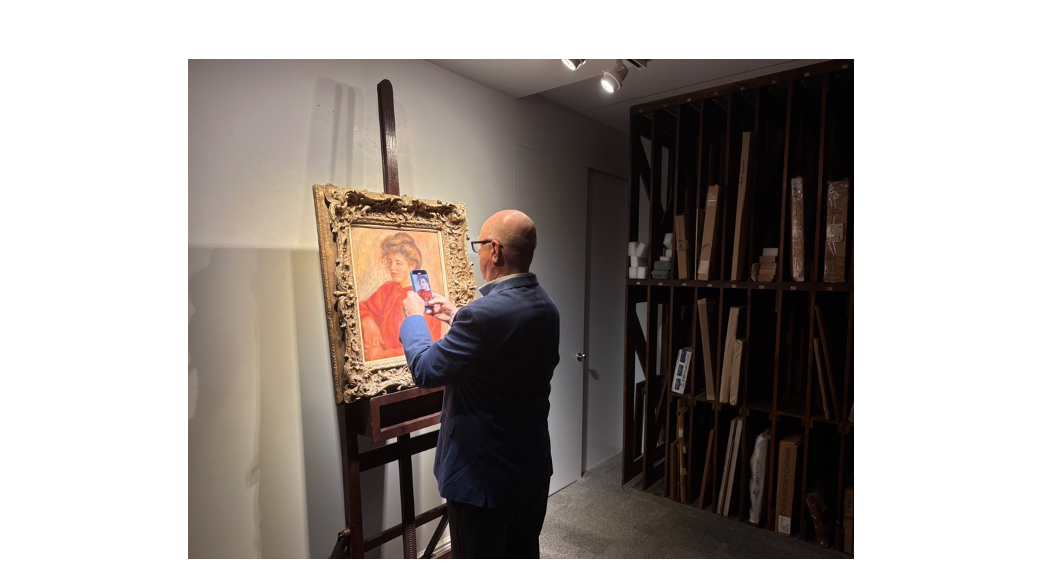
Ray Waterhouse viewing a painting by Renoir on behalf of a client at an art warehouse.
Our role is to protect your interests. Unlike a gallery trying to sell its inventory, we work for you. We provide recommendations based on market reports, research, and unbiased quality assessments. We ensure you make wise decisions that protect your capital.
For auction purchases, we offer private bidding services, shielding your identity and preventing other bidders from running up the price simply because they know a collector is interested.
Building a meaningful art collection is a journey that enriches your life and leaves a legacy. However, it is also a significant allocation of capital that demands the same rigor you apply to any other business decision.
By understanding art valuation before you buy, you move from being a passive buyer to an active, informed collector. You learn to spot quality, avoid hype, and pay fair prices for assets that will stand the test of time.
If you are looking to start a collection or add to an established one, do not navigate this complex market alone. Reach out to Fine Art Brokers for a complimentary consultation. Let us help you find the perfect piece that aligns with your aesthetic vision and your financial goals.