


Stay informed with our art news and market insights.

The art market can seem difficult to navigate, especially for new collectors. Acquiring a significant piece of art is a major investment, and ensuring the process is smooth, fair, and successful requires specialized knowledge and connections. This is where an art advisor or broker becomes an indispensable partner.
Engaging a professional art advisor provides confidence and clarity throughout the acquisition process. Their expertise helps buyers find the right artwork and secure it at a fair price with proper due diligence. A good advisor also helps prevent inexperienced collectors from making mistakes and thus saves them money. In addition, good art brokers and advisors save their clients a great deal of time and do all the legwork.
This guide explains the role of an art broker and provides a framework for choosing the one who suits your criteria of taste and budget.
An art broker is an intermediary who facilitates the buying and selling of fine art on behalf of clients. Their primary responsibility is to represent their client’s interests, whether they are acquiring a new piece or selling an existing one from their collection. Brokers leverage their art market knowledge and network of collectors, dealers and curators to achieve the best possible outcomes. There are advisors, it has to be said, who look after their own interests more than they should, so when choosing one be comfortable about this aspect.
Unlike art dealers, who typically own the inventory they sell, brokers do not hold stock. This distinction is crucial, as it means a broker’s advice is impartial and focused solely on the client’s objectives rather than the need to sell a particular piece. While an art advisor may offer broader collection management services, a broker’s role is centered on the secure and efficient purchase or sale of specific artworks.
Working with an art broker offers several advantages that are essential for navigating the complexities of the art market. These benefits extend beyond simple convenience to provide security and value.
Good art Advisors and Brokers maintain extensive networks that include private collectors, galleries, auction houses, and other art world professionals. This access opens a world of opportunities beyond what is publicly available and easy to find. This expanded reach significantly increases the chances of finding the specific piece you are looking for.
Determining the fair market value of an artwork is a nuanced process that requires deep expertise. The best Art Brokers possess a thorough understanding of market trends, artist performance, and recent sales data. They use this knowledge to provide accurate valuations and negotiate purchase prices effectively, ensuring you do not overpay.
Choosing a work with the right subject matter and date is also important when determining value.
An artwork’s history, or provenance, is critical to its value and authenticity. A broker conducts meticulous research to verify an artwork’s history, confirming it is genuine and has a clear, documented chain of ownership. This due diligence protects you from forgeries and pieces with problematic ownership histories.
A good Art Advisor will also check on the condition of a work – another critical component of value. Often the Advisor can use his or her own expertise but in some cases it is necessary to employ a specialist conservator to carry out an inspection and make a report.
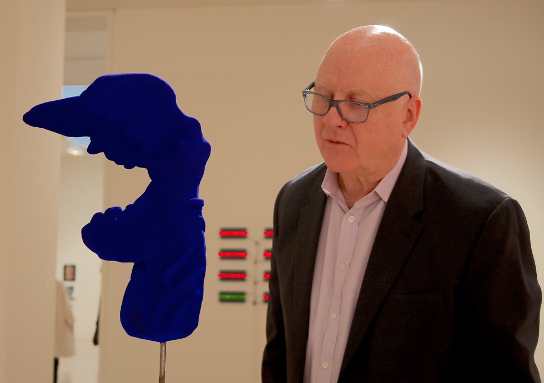
High-value art transactions often require a high degree of privacy. A broker can act on your behalf with complete confidentiality, protecting your identity and personal information throughout the process. This discretion is a cornerstone of the professional relationship between a client and their broker.
Selecting the right art broker is a critical decision that directly impacts the success of your art acquisition. The process requires careful consideration of several key factors to ensure you find a professional who aligns with your goals and standards.
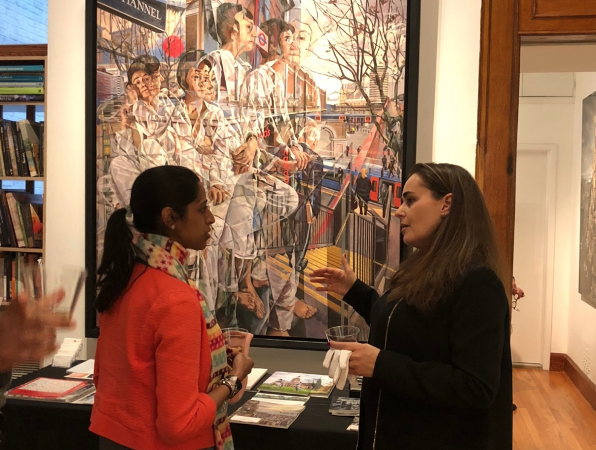
Begin by verifying a broker’s professional background and track record. Look for extensive experience in the specific art market sectors that interest you, whether it’s contemporary painting, old master drawings, or modern sculpture. A broker with a long history of successful transactions demonstrates a high level of competence and reliability. Finally, it’s important your Art Advisor has a knowledge of art history relevant to your interests and are not part of the group labelled ‘gmail advisors’, meaning individuals who turn their limited knowledge to becoming a personal art shopper.
Transparency regarding fees is essential. Brokers typically charge a commission based on a percentage of the final purchase or sale price, but other arrangements can exist. Many Advisors in Contemporary art charge 10% of the original asking price even if a discount is negotiated.
Fine Art Brokers has a unique pricing structure. We do not charge at all for consultations, research, sourcing art – we only charge when a deal is made. And we charge on the net negotiated price, offering very reasonable terms and percentages. We truly believe that we actually save our clients money.
Whover you choose, it is important to have a clear, written agreement that outlines all costs and fees before beginning the search to avoid any misunderstandings later.

A global and wide-ranging network is one of a Broker’s most valuable assets. A well-connected Art Advisor has access to a broad range of artworks and can often source pieces that are not available on the open market. Inquire about their relationships with key galleries, auction houses, and private collectors to gauge the depth of their resources.
Reputation is paramount in the art world. Seek out reviews, testimonials, and references from previous clients to gain insight into a broker’s professionalism, communication style, and overall effectiveness. Positive feedback from satisfied clients is a strong indicator of a trustworthy and capable professional.
A successful partnership depends on shared understanding. The broker should take the time to learn about your aesthetic preferences, budget, and long-term collecting ambitions. This alignment ensures they can provide tailored recommendations and help you build a collection that is both personally meaningful and financially sound.
Even if an Art Broker has excellent connections and experience, if you aren’t compatible with his or her personality, the relationship won’t work. And most importantly trust is paramount. You will be entrusting confidential information and possible transferring funds to your Art Advisor for purchases, so reliance on their honesty is crucial.
Before committing to a broker, it is important to conduct a thorough interview. Asking targeted questions will help you evaluate their suitability and ensure they are the right fit for your needs.
Experienced art brokers have expertise working with specific types of pieces and galleries. Ask about their specific areas of expertise to confirm they have the background necessary to guide you effectively.
Request a detailed explanation of their commission rates and any other potential fees. This conversation should result in a clear and transparent fee agreement.
Understand their methodology for sourcing and vetting potential acquisitions. This includes how they conduct provenance research, authenticate artworks, and assess condition.
A reputable broker will be willing to provide references from clients they have worked with previously. Speaking with past clients can offer valuable insights into their experience and satisfaction.
If you’re looking for guidance and expertise in purchasing fine art, visit Fine Art Brokers. Our professional art buying consultants bring years of experience to help you find, evaluate, and acquire exceptional pieces that align with your taste and investment goals.
Whether you’re a seasoned collector or just beginning your art-buying journey, our dedicated team ensures a seamless and trustworthy process. Explore their services today and take the first step toward building a remarkable art collection.
Using an art broker is a strategic move that provides access, expertise, and security in the complex world of art collecting. By carefully vetting potential art brokers and asking the right questions, you can choose a trusted partner who will guide you through every step of the acquisition process. Professional guidance from Fine Art Brokers ensures that your art purchases are successful and enriching additions to your collection.