


Stay informed with our art news and market insights.
Fine Art offers potential for financial gain and of course all the long-term benefits from owning an art collection, which include decoration, cultural involvement (through meeting artists or dealers and visiting fairs and exhibitions), education and also a diversion from usual work activity. New art collectors and investors should gain market knowledge and ideally take professional guidance before making a significant purchase.
Art does not behave like stocks or bonds. The market is run through galleries, auction houses, private sales, advisors, dealers, and art brokerage specialists. While there is now an online abundance of data and views, the art market is opaque in its workings. Investing in art as a beginner is complicated, so here are the basics that first-time art investors need to know to get started.
For art investment – as opposed to general art collecting - it is best if every purchase has a clear purpose. Some collectors seek either short-term or long-term appreciation, while others want portfolio diversification – as well as personal enjoyment.
A focused strategy helps narrow the field. Beginner collectors should avoid buying an artwork on visual appeal alone. Strong purchases combine aesthetic interest with a variety of market evidence.
Nearly every artist has a separate micro market. There are general markets governed by region, school and style, and micro markets determined by gallery representation, museum shows, art fairs, and online presence. As an obvious comparison, a painter with museum placements and a long exhibition history will be viewed with a more positive market presence than an emerging artist with representation at a new gallery. So when advising clients, Fine Art Brokers tracks auction results, gallery pricing, exhibition history, and institutional demand. These signals help determine whether an artist has durable market support.
First-time investors should study career stages. Of course emerging artists may offer great growth potential, but their investment prospects are more speculative, while established artists usually provide slower but more sustainable growth.
The impact of a good gallery representing an artist should not be underestimated. While a high profile gallery will charge more, they have their own vested interested in maintaining and increasing prices for gallery artists.
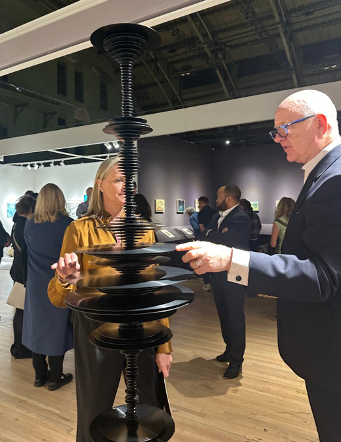
Ray Waterhouse viewing the work of Elizabeth Turk at The Art Show, 2024.
Provenance means ownership history. Strong provenance can support authenticity, legal title, and definitely has an impact on future resale value. Also, if an artwork has changed hands many times, that usually has a negative influence.
Incomplete provenance increases risk. Gaps can create questions about attribution or disputed ownership.
Fine Art Brokers can help review ownership records before purchase. This step matters most for higher-value works, older works, and secondary market acquisitions. One also needs to ascertain if a previous investor has flipped a work.
Authenticity is a critical aspect in an artwork’s value. Collectors need documentation from reliable sources before committing capital.
Useful records can include:
• Certificates of authenticity by the artist or the established expert. (Beware authentications by ‘cruise-ship’ type galleries)
• Gallery invoices
• Catalogue raisonné references
• Artist estate confirmations
• Exhibition records
• Conservation reports
Not every certificate carries equal weight. A document from an accepted authority carries more weight than a seller statement.
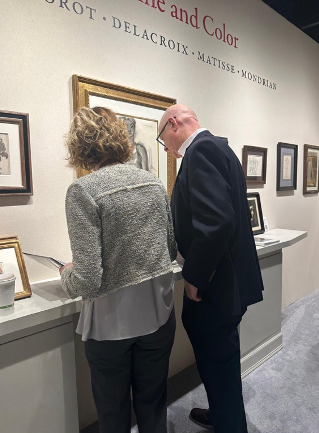
Ray Waterhouse reviewing artwork documentation at the Park Avenue Armory
Condition affects both value and liquidity. Damage and poor restoration jobs can reduce demand. Collectors should request condition reports before purchasing a piece. A qualified conservator can inspect higher value works and identify hidden concerns.
Minor condition issues may not always prevent a purchase. The price should reflect the condition, and the buyer should understand future conservation costs.
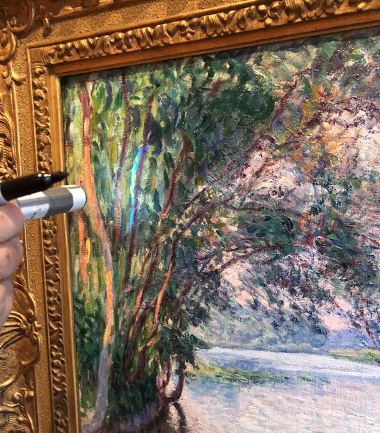
Examining paintings under ultraviolet light is one of the many techniques we use to assess condition.
We are not professional conservators at Fine Art Brokers, but one method we use to assess if a painting has been restored is an ultraviolet light, sometimes called a black light. This can show restoration. Anyway, when advising clients we always assess a painting's condition, identify areas that may need restoration, and uncover valuable information not visible under normal lighting. When we determine that a work may benefit from restoration, we work with skilled, vetted professionals in the field.
A listed price does not always equal fair market value. Sellers may price works based on scarcity or negotiation strategy. Comparable sales create a stronger valuation basis. Auction records, private sales data, and gallery pricing all help shape a realistic view.
Fine Art Brokers can assess asking prices against market evidence. This support helps buyers avoid overpaying during the first acquisition stage.
At auction, while the estimate is a guide, the real market value is what the highest bidder is prepared to pay. When buying from a gallery or direct from an artist, your own research or having expert advice helps provide expert guidance for what you should pay.
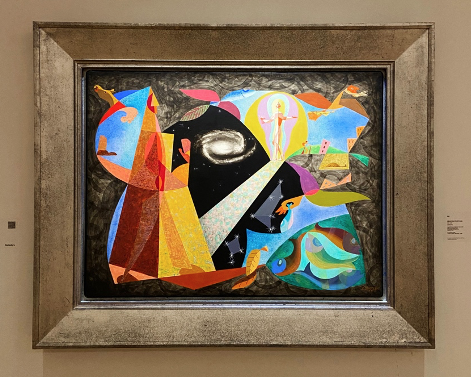
Léopold Survage Destins, 1954
Fine Art Brokers advised a US client on the value and condition of this Survage painting at a London auction in February 2023, and successfully bid at a price of approximately $75,000. Our one fee also included arranging export documentation and shipping.
Art can take time to sell. A strong work may still need time to find the right buyer at the right moment in the market. Liquidity depends on several factors, including:
• Artist demand
• Price point
• Condition
• Subject matter
• Size
• Provenance
Works by recognized artists often attract broader resale interest. Collectors should plan for a longer holding period. Short-term resale can create extra costs and limited negotiation power.
Am art purchase involves more than the hammer price or invoice amount. Investors should account for premiums, taxes, shipping, insurance, framing, storage, and conservation.
Auction purchases can include buyer premiums. These fees can materially raise the total acquisition cost. Private sales may involve advisory fees or commissions. A full cost review helps determine the true investment basis.
Art enters the market through several channels. Each channel offers different levels of access and negotiation flexibility. Galleries often support primary market artists. Auction houses provide public pricing records and competitive bidding.
Private art brokerage can offer discretion, sourcing support, and targeted negotiation. Fine Art Brokers can assist with acquisitions and sales that require market access and confidentiality.
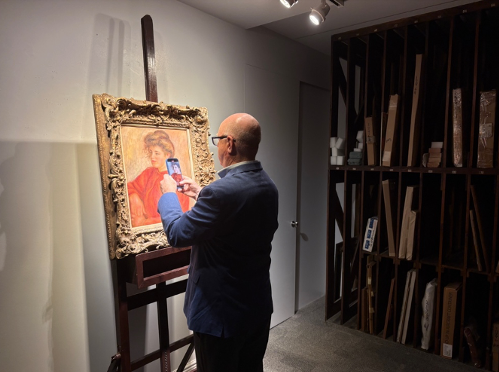
Ray Waterhouse viewing a painting by Renoir on behalf of a client at an art warehouse.
A strong collection needs more than isolated purchases. Cohesion helps improve curatorial value and future market positioning.
Collectors should document every acquisition. Records should include invoices, provenance notes, condition reports, insurance values, and images. A written strategy can guide future purchases and help investors avoid impulsive buying, creating a more focused collection.
The art market rewards informed decisions. First-time investors often face limited public data and complex seller relationships.
An experienced broker can identify risks before a transaction. Guidance can cover artist research, pricing review, negotiation, documentation, shipping, and resale planning. Fine Art Brokers offers support for buyers who want more structure. The firm can assist with sourcing to collection development.
Common mistakes to avoid
New collectors often move too quickly. A deliberate process reduces avoidable errors.
• Buying without provenance review
• Ignoring condition reports
• Relying only on seller’s claims
• Paying above comparable sales
• Forgetting transaction costs
• Choosing trends over evidence
• Buying on a whim (on holiday for example)
• Acquiring pretty works rather than those with lasting appeal
• Failing to insure valuable works
These mistakes can limit resale options. Strong process protects capital and supports better collecting decisions.
Set a budget before reviewing works. The budget should include purchase price and all related costs. Choose a collecting category next. Examples include contemporary painting, prints, photography, sculpture, or works on paper.
Review several comparable options before making an offer. This step helps define quality and pricing standards within the chosen category.
Request documentation early in the process. Serious sellers should provide clear records and answer direct questions.
Use professional support before committing funds. Fine Art Brokers can help evaluate opportunities and structure the acquisition process.
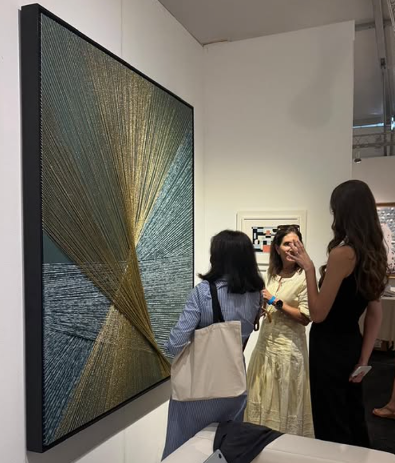
Anna Gryglak of Fine Art Brokers assisting a client during the Hamptons Fine Art Fair, 2026
Investment-grade art usually shows strong market support. The work should align with an artist’s recognized period, style, scale, and subject matter.
Quality also matters within an artist’s body of work. A weaker work by a major artist may underperform a stronger work by a less famous artist. Rarity can support value when demand exists. Scarcity alone does not create investment strength.
First-time art investors must keep these basics in mind throughout their buying process. A thoughtful purchase process can protect capital and support lasting collection value.
Fine art can serve as a meaningful investment category when buyers understand the market structure. Contact Fine Art Brokers to begin a focused acquisition strategy and gain experienced guidance for the first investment-grade purchase.