


Stay informed with our art news and market insights.
Artwork you have inherited hopefully holds both financial value and family history. Should you wish to realize the financial value, selling art requires planning and also market knowledge. And a good relationship with the executor if one is involved. And crucially, estate sellers often face pressure from timing and needs of other family members. A structured process helps protect value before any sale begins.
Fine Art Brokers helps sellers review inherited art with expert guidance. The right plan can reduce risk and support a stronger result. Keep reading to browse our guide to selling inherited artwork successfully.
Every estate artwork sale should begin with an inventory record, which creates the foundation for research and valuation. Include the artist’s name and titles, as well as the medium and dimensions for each art piece.Take clear, well-lit photos to show the front and back. Images should also capture signatures and labels. Avoid cleaning or reframing works before review, as early changes can affect value or remove useful evidence.
An art broker can identify which works need deeper research. This step helps separate marketable works from decorative objects.
Executors and Trustees have a fiduciary duty to help obtain ‘market value’. The easiest way for them to obtain this is to place all artworks into auction, as then the price achieved is a matter of record as fair market value on that day. While this relieves pressure for them, it might not be the best outcome for you.
Selling through auction might be the best option, but you need to choose the right venue and the right timing and obtain the best commission negotiation. Fine Art Brokers can help with all these decisions.
We have a good example of how selling privately can be better than auction. We helped amass a great collection for a client and after his death we worked with his co-executor in selling some paintings. We sold a Renoir and Degas for $18 million for example, for which our collector had paid about $11 million. We then got an offer of $7.5 million on a Cezanne still life and the other executor insisted they put it into auction – it made about $6.5 million (hammer price) less fees.
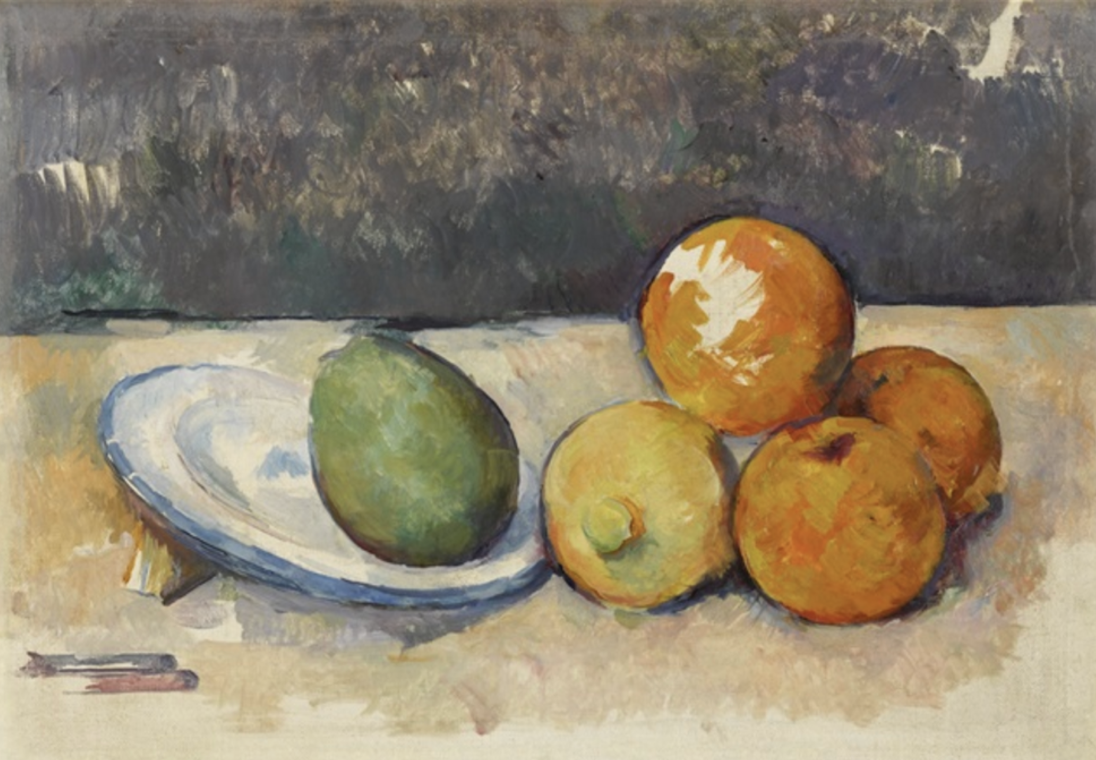
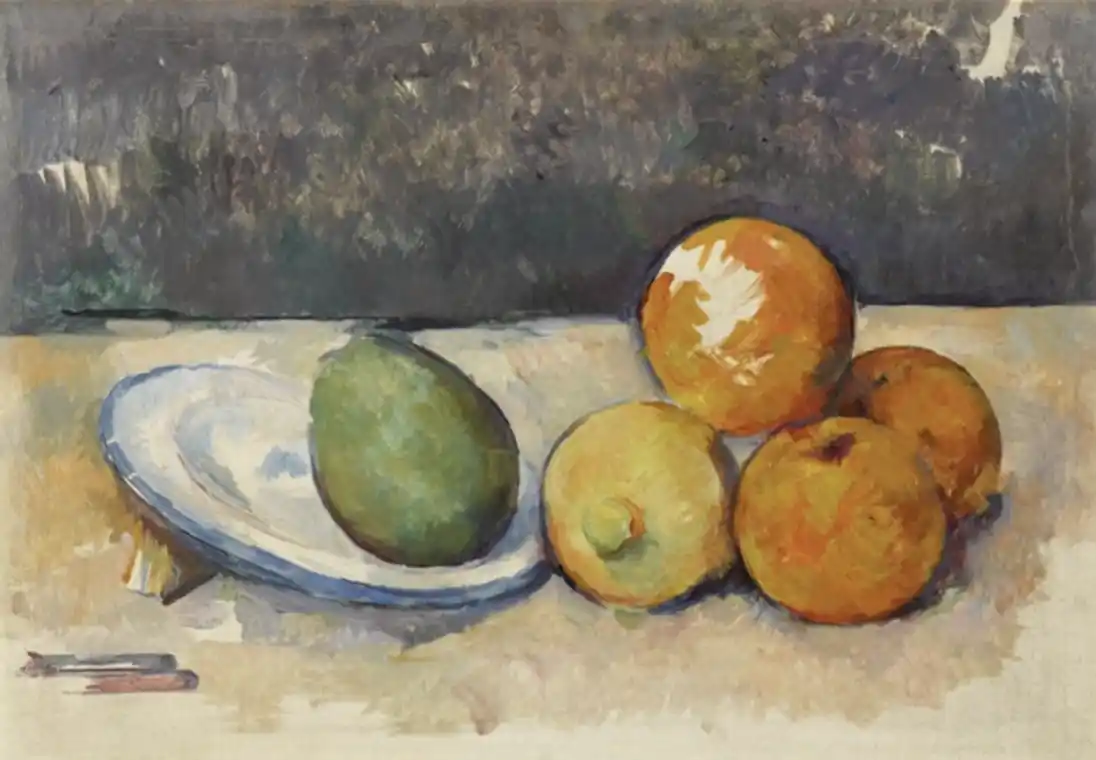
The painting by Paul Cezanne for which we had a cash offer of $7.5 million, and after the trustee insisted on putting it into auction it made about $1 million less.
In our experience, inherited works may lack paperwork. Family stories and testimonies can provide clues but can’t replace official documents. When your parents of grandparents purchased the art, authentication documents and expertise papers were not as common – now they are mandatory for works of value by well known artists.
A specialist can review signatures and materials. The review may also include exhibition history and prior ownership. Some artists also require input from foundations or recognized scholars. My team at Fine Art Brokers know who the expert is for each significant artist, and we know the process for obtaining authentications. These can take months and usually involve a fee to the foundation or expert issuing the paperwork.
Sellers should avoid claims that exceed the evidence. Accurate attribution helps protect value during negotiation
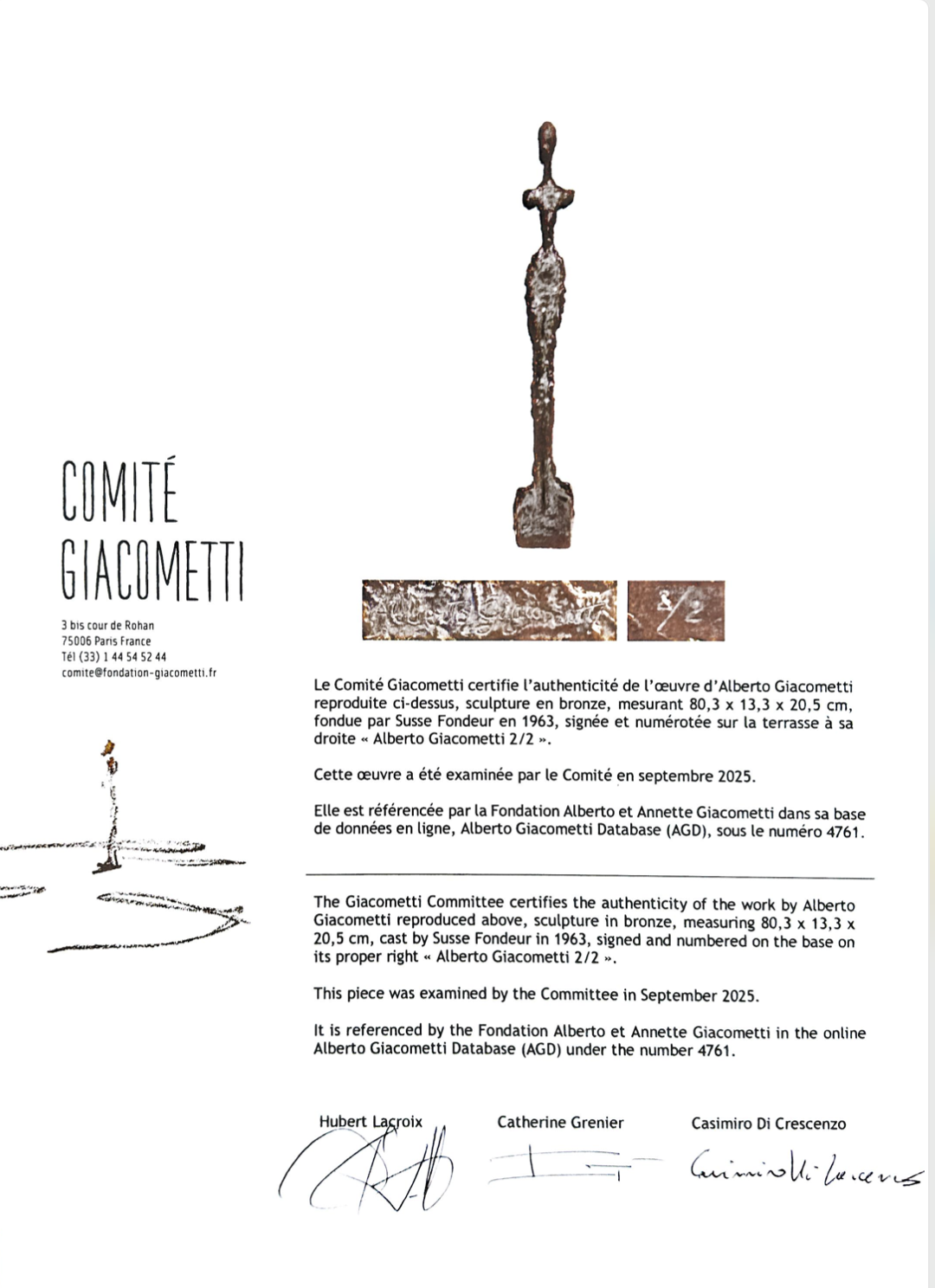
Above is an example of an official Certificate of Authenticity document of a Giacometti work.
Provenance shows ownership history and can help confirm that a seller has a clear title. Useful records may include invoices and gallery receipts. Auction records and insurance schedules can also support the file. Estate documents can matter as well. Executors may need authority before a sale can proceed.
Clear records help buyers move through diligence faster. They also reduce questions after an offer. Fine Art Brokers can help sellers decide which documents matter most. Organized records create a smoother sale process.
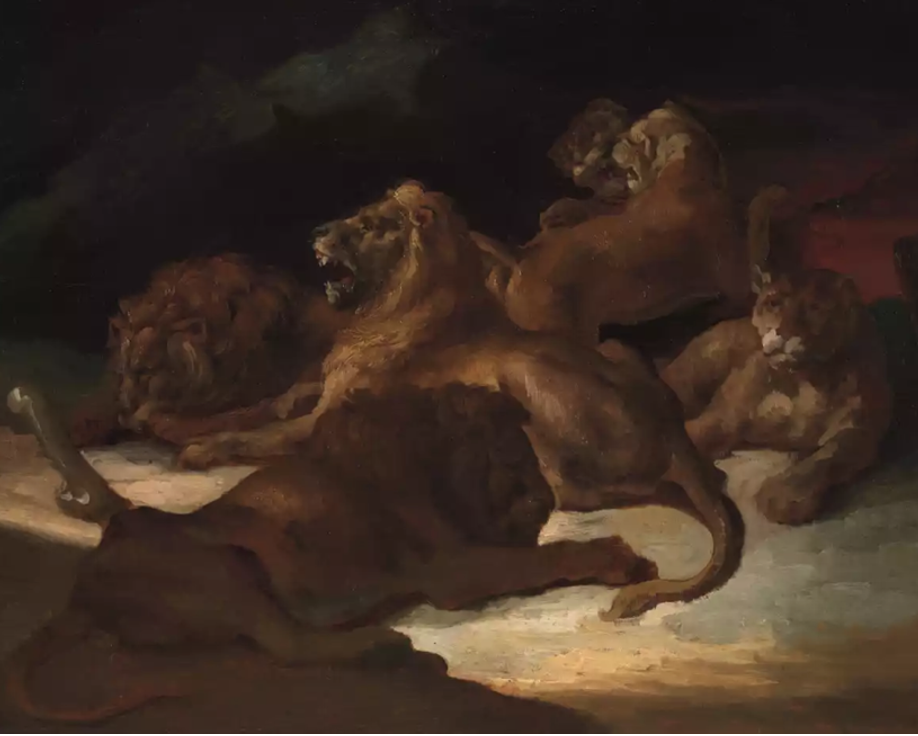
A French client inherited this wonderful Gericault and wanted a private sale which we managed within two months. We helped establish this was the original version and that the one in the Louvre in Paris was a replica. We helped sell the painting to The Metropolitan Museum of Art.
Market value depends on more than the artist’s name. Size and subject can change buyer interest. Date and condition also matter. Provenance can strengthen value when history carries market weight.
Two works by one artist can perform very differently. A strong valuation compares the work to relevant sales. It should not rely on broad online estimates.Selling fine art requires current market context. A broker can explain whether auction or private placement fits the work.
Condition affects price and buyer confidence. Even strong works can lose value when damage limits demand.
A conservator may need to inspect higher-value works. The goal should focus on documentation first.
Professional guidance helps sellers avoid unnecessary costs. It also helps reveal issues before buyer review.
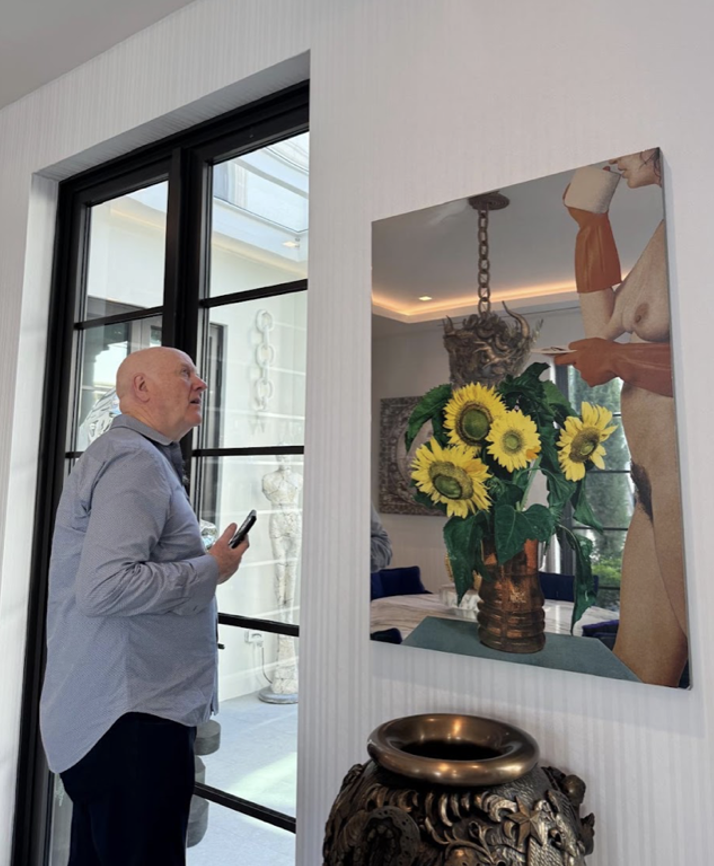
Fine Art Brokers regularly travels to clients' homes to assess their art collections. Pictured above, Ray Waterhouse visits a client's home in Florida to evaluate a work by Michelangelo Pistoletto in 2024.
Estate artwork can sell through several channels. Each route carries different costs and timelines. Auction can suit works with broad demand. It may create competition when buyers recognize the artist. Auction also makes sale results public. That visibility may not fit every estate. Private sales can offer discretion. They also allow a targeted approach to qualified buyers.
Dealer placement can work for certain artists. The seller should understand margin and timing before choosing that path. Fine Art Brokers can compare these options with the seller’s goals. A careful channel choice can protect both price and privacy.
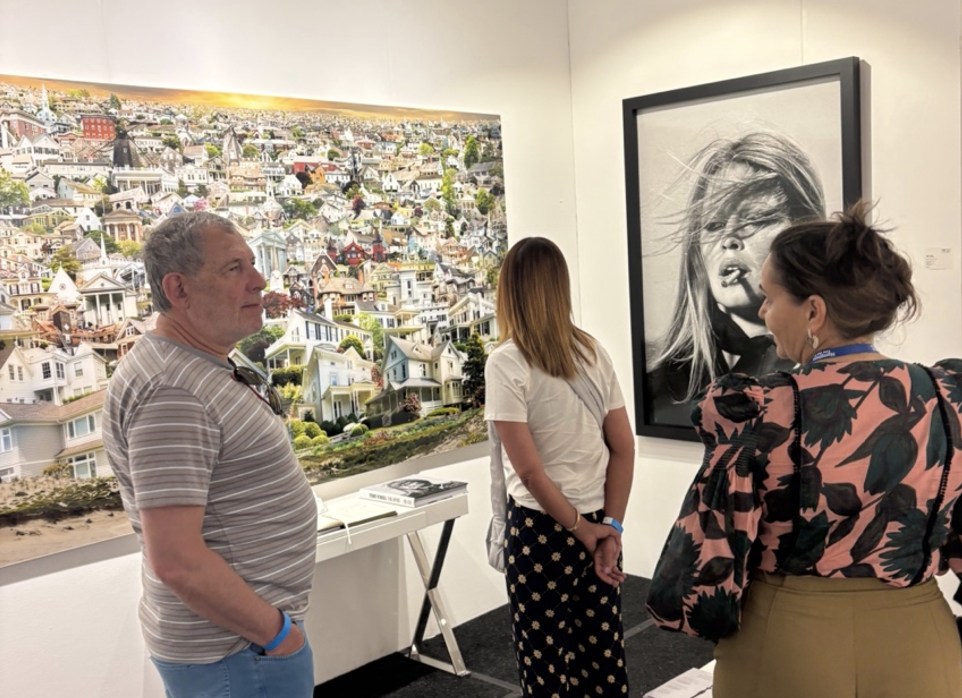
Depending on the artwork, Fine Art Brokers selects the best-suited selling channel for our clients. This can include participating in art fairs or organizing exhibitions, and we've also facilitated numerous private sales for clients who prefer to keep the details confidential. Sandra Safta Waterhouse pictured above with a client at the Hamptons Fine Art Fair 2026 where we sold several artworks on behalf of our clients including a Callum Innes, Terry O’Neill, Dimitri Gerrman and more.
Serious buyers expect accurate sale materials. A clean presentation helps reduce delays.
The following items can support buyer review:
• Clear images of each work
• Full dimensions
• Medium details
• Provenance records
• Condition notes
• Appraisal documents
• Estate authority documents
A broker can organize these materials into a sale package. This package helps buyers assess the work with confidence.
Inherited art often carries personal meaning. Market pricing must still reflect buyer demand.
Pricing too high can weaken momentum. The market may view repeated exposure with caution. Pricing too low can reduce the estate return. An expert range helps balance speed and value.
Fine Art Brokers can advise on offer review and negotiation structure. This guidance can help sellers avoid rushed decisions.
Estate artwork can involve sensitive family matters. Privacy should shape the sale plan early.
Public auction records can reveal ownership and sale outcomes. Some families prefer a quieter process. Private placement can limit exposure, but it can also reduce attention around a collection.
Confidentiality matters when heirs hold different goals. Clear communication can prevent delays. A broker can manage buyer contact and control information flow.
Fine art sales can create tax and legal questions. Sellers should involve qualified advisors before major decisions. Executors should confirm authority before signing agreements. Co-owners should understand how proceeds will divide.
Sale records should remain organized after closing. Future reporting may require contracts and payment records. Good coordination keeps the transaction efficient. It also helps reduce disputes after a work sells.
Many sellers lose value through rushed decisions. The most common errors involve weak documentation and limited market access.
Selling to the first buyer can create risk. A better process tests demand before accepting an offer. Relying on online estimates can also mislead sellers. Fine art markets require specialist judgment.
Public exposure can hurt a work when pricing misses the market. A broker can recommend a controlled plan that protects value and reputation. This matters when an estate includes important works.
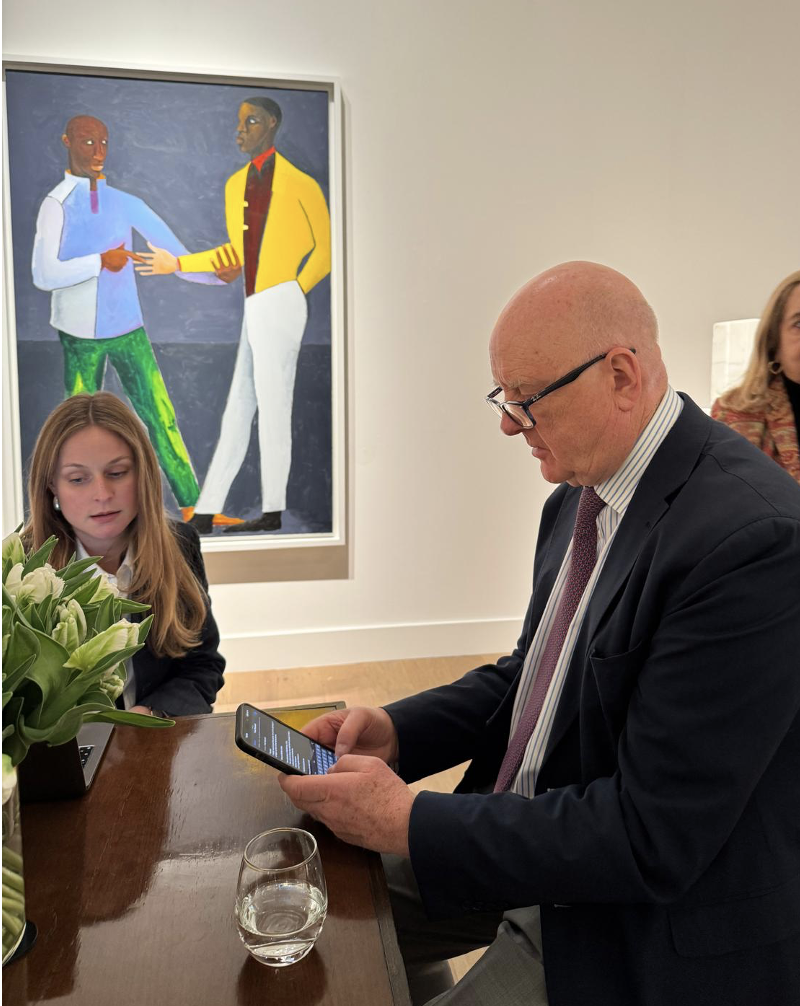
Each year, our team travels to several international art fairs throughout the year and attends auctions in New York, London and Paris to stay current on artwork market values.
Inherited artwork often requires more than an appraisal. It requires market access and careful transaction management.
Fine Art Brokers offers guidance across buying and selling. The firm also advises on auction services and estates. A specialist broker can identify realistic opportunities early. That expertise helps families make informed choices. The right broker also understands timing. Some works benefit from immediate placement while others need more preparation. Estate sellers can contact Fine Art Brokers for a confidential review. Early expert advice can turn uncertainty into a structured plan.
Successful inherited or estate artwork sales depend on preparation. Sellers need accurate records and realistic pricing. They also need access to qualified buyers and auctions are not the only option. Without that access, strong works may underperform.
The best outcomes come from a process that respects market value and family priorities. Expert guidance can reduce uncertainty at each stage. Fine Art Brokers can help collectors and investors evaluate inherited works with confidence.