

Stay informed with our art news and market insights.
Some of the most remarkable works of art never appear in an auction catalog. A collector may live with a painting for decades without considering a public sale. An heir may prefer a quiet conversation to a crowded saleroom. At Fine Art Brokers, much of our work takes place in that quieter market.
Art brokers help collectors explore those possibilities through research and trusted relationships. Since Ray Waterhouse co-founded the firm in London in 1996, we have helped collectors find works that were never formally offered for sale. Today, our advisors work from New York and London, drawing on more than 35 years of art market experience. Here is how to source rare works privately, and what you can expect when you work with us.
Every search begins with a conversation about what you hope to find. We ask which artists move you and how a new acquisition would sit within your collection. Are you pursuing one specific painting, or would several works from a favorite period appeal to you?
Budget shapes the search, too. Beyond the purchase price, shipping, insurance, and conservation can add to the cost, and we factor these in from the start. Our clients range from first-time buyers to established collectors so we adapt our approach to your knowledge, taste and budget. A clear brief lets us bring you serious opportunities rather than every piece that loosely matches.

We recently helped a new client, who had no prior knowledge of the art market, to navigate the complexities of building a meaningful art collection. Using our expertise and global contacts, we have negotiated on his behalf to secure 15 excellent works he likes by emerging artists whom we believe have a bright future. These artists include Murray Clarke, Mostafa Sarabi, Kyler Garrison, Tsai Yun-Ju, Jessica Canon among others.
A rare artwork doesn’t require a gallery listing to change hands. Many collectors own pieces they’ve never put up for sale. Some might consider an offer under the right circumstances, while others have no interest in selling.
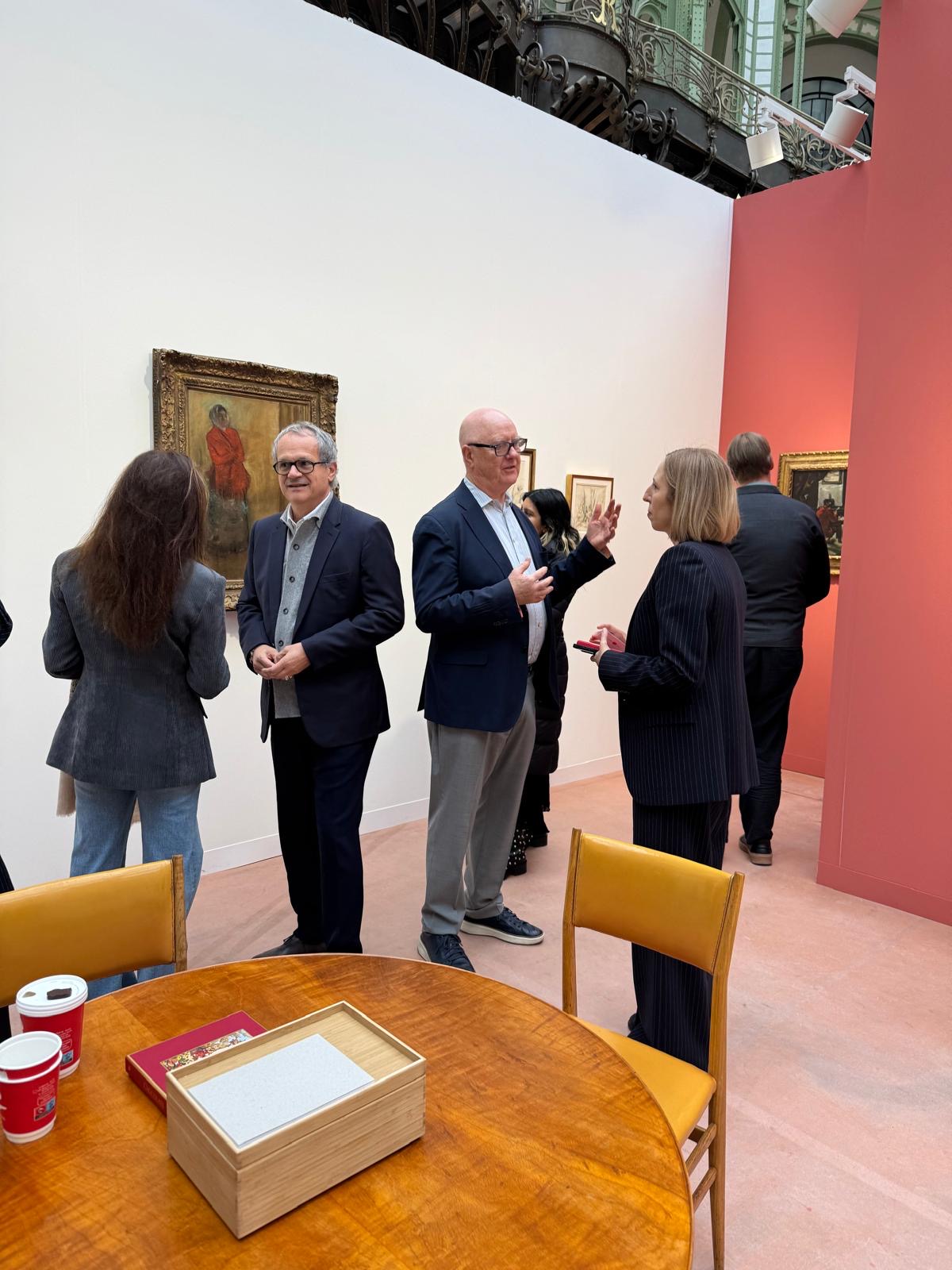
Brokers look beyond public inventories by speaking with galleries and other market specialists. They may also approach estate representatives. Each conversation helps determine whether a particular work might become available. Fine Art Brokers attends many international art fairs, including Art Basel and Frieze, where we meet with dealers to discuss works they may have available beyond those offered publicly at the fair. We maintain a network of contacts and collectors who prefer to buy and sell privately.
An experienced fine art dealer may know that an owner has quietly considered selling a painting. That introduction can spark a conversation that a public search would never uncover. Still, an off-market lead isn’t a confirmed opportunity. Careful brokers distinguish genuine interest from speculation.
Private sourcing requires tact. A broker considers how an owner prefers to communicate and whether a mutual contact should make the introduction. An initial inquiry may simply ask whether the owner would consider discussing a sale.
Discretion gives sellers greater control over who learns about their holdings. Buyers may appreciate privacy, too. A confidentiality agreement may help both sides establish what information they can share.
Privacy shouldn’t conceal important facts about an artwork. Buyers still need enough information to examine its history and evaluate the seller’s right to transfer it. A responsible broker balances confidentiality with meaningful disclosure.
Rare doesn’t automatically mean valuable. An artist may have produced only a few examples from a particular series, yet collectors might prefer work from another period. Specialists consider where a piece belongs within the artist’s career and how its qualities affect demand.
An unusual composition can increase appeal. A well-documented exhibition history may also distinguish it from comparable works. Even so, scarcity alone can’t establish an appropriate price.
A broker should explain why a piece deserves attention without suggesting that every hard-to-find work will increase in value. Personal enjoyment remains an important reason to collect.
Finding a possible match marks the beginning of careful investigation. Brokers can request detailed photographs and review the condition information the seller provides. A private viewing may reveal details that images overlook.
When concerns arise, an independent conservator can assess previous restoration or potential damage. The buyer may also need expert advice about attribution, particularly when records leave questions about authorship.
Not every seller can supply complete documentation immediately. A thoughtful advisor identifies the missing information and helps you decide which questions require answers before you commit. Excitement shouldn’t substitute for examining the work itself.
Provenance describes an artwork’s ownership history. A broker may review older invoices or exhibition records to understand where a piece has traveled. Those documents may support the seller’s account without establishing a complete timeline.
Gaps don’t automatically signal wrongdoing, but unexplained ones deserve attention. Buyers should confirm that the seller has the legal authority to transfer the work. Certain artworks also raise cultural property questions that call for specialized advice.
If the piece will cross national borders, export restrictions may affect the transaction. Addressing these concerns early gives both parties time to resolve them before signing an agreement.
Private sales lack the visible competition of a public auction. Sellers may choose asking prices that reflect their own expectations, so brokers compare those figures with evidence from relevant transactions.
Auction results can provide a starting point, but works by the same artist aren’t interchangeable. A painting’s condition may justify a difference in price. Its importance within the artist’s career can also influence what collectors will pay.
Our reports explain which comparisons carry weight, so you understand the price before deciding whether the acquisition makes sense for you.
Once an owner expresses interest, the broker can help present an offer. Without an auction clock, both parties may have more time to consider a proposal. That flexibility doesn’t guarantee a bargain, and some owners place considerable value on keeping a treasured work. We also negotiate the terms beyond price: inspection before completion, payment timing, and who arranges shipping. We keep conversations constructive and never create artificial urgency or push a seller who has said no.
Before engaging an intermediary, ask whom they represent. An advisor who works for a buyer may have different obligations from someone acting for the seller. You should understand how the broker receives compensation and whether other intermediaries have financial interests in the deal.
Those details can affect how you interpret recommendations about a work or its asking price. A trustworthy professional should welcome questions about fees and potential conflicts. Transparent representation helps you evaluate the advice you receive.
Fine Art Brokers owns nothing we recommend. We have no auction house affiliations, no conflicts of interest, and we are paid solely by our clients. We charge only on completed transactions, so our advice is aligned with your interests, including when that advice is to walk away.
When both sides agree to proceed, document the terms in a written purchase agreement. The contract should identify the artwork and specify payment obligations. It should also address any promises about ownership or conditions that affect the sale.
Arrange transportation through experienced fine art handlers. Review insurance coverage and confirm when responsibility for damage passes between the parties. International shipments may require additional paperwork, while applicable taxes or duties can change the total cost.
Keep the final records with your collection documents. They can help with insurance questions today and provide useful information if you decide to sell the artwork later.
Some private searches produce promising leads quickly. Understanding how art brokers source rare works privately means recognizing that other searches take time, especially when owners hesitate to sell. A knowledgeable broker should explain the progress of your search without creating unnecessary pressure.
Walking away can also be the right decision, if condition raises concerns or the price exceeds your comfort level. A successful search is not just about access to something rare. It is about owning a work you will be glad to live with.
If you are looking for a work that rarely reaches the public market,fineartbrokers.com/contact-us with our team in New York or London. We would be glad to hear about your collecting goals.