


Stay informed with our art news and market insights.

Acquiring high-value artwork clearly involves major decisions, both aesthetic and financial. The main questions are:
Collectors need to go on much more than visual appeal for high-value artworks. Thoughtful preparation and research, or working with a good advisor, help buyers manage risk when investing in high-value artwork.
Price alone doesn’t tell you whether a work is a sound acquisition. Several characteristics can influence how collectors and the market view a particular piece over time.
Start with the artist’s career and market history. The artist’s name is the single most important aspect in value, somewhat akin to the significance of location in property. A quick sketch by Picasso is worth six figures; a large oil painting by an unknown artist is probably worth very little. So, review the artist’s exhibition record, gallery representation, auction activity, and past and current demand among established collectors.
While the artist’s name and record are significant, you still need to evaluate each work individually.
The artwork’s importance within the artist’s career also warrants attention. A minor work from an influential period may attract more interest than a seemingly more major piece by the same artist from a less creative or late period. Subject, size, medium, rarity, condition and historical significance all affect demand. It’s best to speak to an expert to evaluate all these aspects.
Buyers should compare the asking price with relevant sales whenever reliable information exists. One major issue in this is that auctions are the only published data for results. Galleries usually keep sales prices private.
Careful comparison helps create realistic expectations instead of relying on enthusiasm or skepticism alone.
Price alone doesn’t tell you whether a work is a sound acquisition. Several characteristics can influence how collectors and the market view a particular piece over time.
Start with the artist’s career and market history. The artist’s name is the single most important aspect in value, somewhat akin to the significance of location in property. A quick sketch by Picasso is worth six figures; a large oil painting by an unknown artist is probably worth very little. So, review the artist’s exhibition record, gallery representation, auction activity, and past and current demand among established collectors.
While the artist’s name and record are significant, you still need to evaluate each work individually.
The artwork’s importance within the artist’s career also warrants attention. A minor work from an influential period may attract more interest than a seemingly more major piece by the same artist from a less creative or late period. Subject, size, medium, rarity, condition and historical significance all affect demand. It’s best to speak to an expert to evaluate all these aspects.
Buyers should compare the asking price with relevant sales whenever reliable information exists. One major issue in this is that auctions are the only published data for results. Galleries usually keep sales prices private.
Careful comparison helps create realistic expectations instead of relying on enthusiasm or skepticism alone.

Authenticity is one of the most important concerns in high-value art. A questionable attribution can dramatically affect both financial value and future marketability.
For the last 20 or 30 years, few artworks above $100,000, and even less, are offered without clear records of authentication. For secondary market works by artists who does more than 20 years ago, for example, these can be:
Review the available documentation before committing to a purchase. Certificates of authenticity, gallery records, catalog raisonné references, artist foundation records, and previous auction documentation all support an attribution.
The right documentation depends on the artist and the type of artwork. No single document automatically resolves every authenticity question. Buyers need to consider the full body of supporting information.
When uncertainty remains, seek expert advice before completing the transaction. Experienced specialists can identify gaps, inconsistencies, or questions that buyers may overlook.
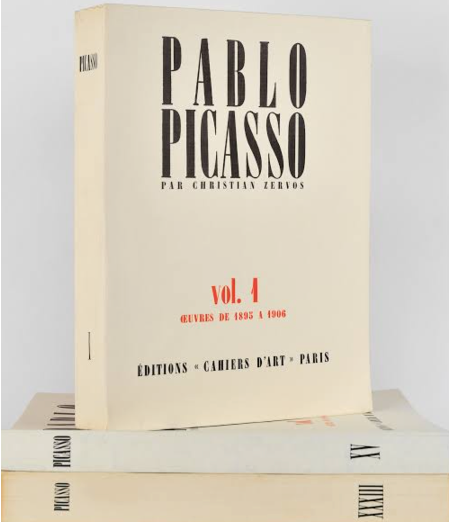
Provenance is the ownership history of an artwork. Strong provenance can support authenticity, clarify legal ownership, and provide useful historical context. Also increase value. Whenever possible, request records that trace the work through previous owners. Auction invoices, gallery receipts, exhibition records, estate documents, and collection records may provide useful evidence.
Pay close attention to unexplained gaps. A missing period doesn’t automatically signal a problem, especially in older works, but buyers should investigate any meaningful gaps before spending a substantial sum.
Gaps during World War II for European works are a red flag, as the works may be subject to restitution, which means the descendants of the original owner may subsequently be granted legal title.
Art buying consultants can help buyers assess provenance records alongside other factors that influence an acquisition. Their market experience can be especially useful when documentation includes unfamiliar names, institutions, or historical references.
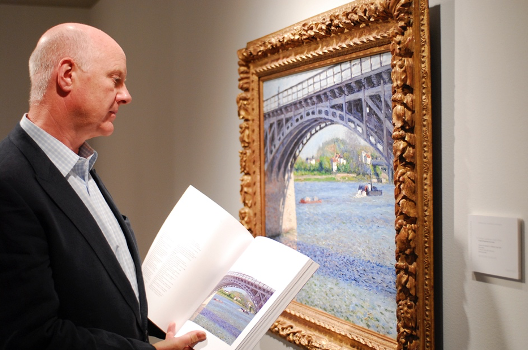
Condition can significantly influence both value and future ownership costs. Even an authentic and desirable artwork may require expensive conservation if deterioration has progressed.
For significant acquisitions, consider obtaining a professional condition report. A conservator or qualified specialist can identify prior repairs, structural weaknesses, paint loss, discoloration, tears, cracks, and other concerns.
Buyers should also ask whether restoration has changed the artwork significantly. Some older pieces naturally require conservation during their lifetime. The extent and quality of that work can influence desirability.
Condition also affects future care. A fragile painting or sculpture may require specialized display conditions, which can add ongoing expenses to ownership.
Buyers need confidence that the seller has the right to transfer the artwork. Ownership disputes can create serious financial and legal problems long after a purchase.
Ask appropriate questions about the title and previous ownership. Buyers should exercise additional caution when an artwork has crossed international borders, belonged to an estate, or has a complicated ownership history.
Research may also uncover theft claims, restitution concerns, export restrictions, or cultural property issues. These concerns warrant attention before money changes hands.
For especially valuable or historically significant purchases, buyers may want legal counsel experienced in art transactions. A qualified attorney can review contracts and help identify obligations associated with the sale.
Overconcentration on one artist or style
Collectors often feel drawn toward a particular artist or movement. That enthusiasm can often create a meaningful collection, with added value, but heavy concentration may also increase financial exposure.
An artist’s market can change. Collector tastes can shift, gallery representation may evolve, and supply can influence prices. A collection concentrated in a narrow segment may experience greater swings in value.

Buyers who care about investment potential should consider how each acquisition fits within their broader holdings. Diversification may include different artists, periods, or price levels, depending on personal goals.
You don’t need to sacrifice a coherent collecting vision. Instead, consider how much financial exposure you’re comfortable taking in one area of the market.
The purchase price marks only the beginning of art ownership. Significant works may create costs for insurance, storage, transportation, installation, framing, conservation, and professional appraisals.
Factor these expenses into your budget before purchasing. An artwork that comfortably fits the acquisition budget may become less attractive after considering years of specialized care.
Insurance deserves special attention. Speak with an insurance professional who understands valuable artwork and confirm that coverage aligns with current needs. Keep detailed records documenting each work and its purchase history.Review coverage as your collection changes. A major new acquisition may alter the amount or type of protection you need.
Art doesn’t trade like a publicly listed stock. Selling a valuable work can require time, preparation, and access to the right buyers.Collectors who may need quick access to their capital should consider this limitation carefully. A desirable artwork may still take months to sell through a gallery, broker, or auction house.
Transaction costs can also affect the proceeds from a sale. Seller commissions, transportation, insurance, conservation, and other expenses may reduce the final amount an owner receives.
Think about your likely holding period before buying. High-value art often fits collectors who can approach ownership with patience rather than relying on a fast resale.
Strong documentation supports smoother ownership and future sales. Create a file for every significant artwork in your collection.
Keep purchase invoices, provenance materials, authenticity documents, condition reports, insurance records, appraisal information, conservation records, and professional correspondence together. Digital backups can protect important information if physical records disappear.
Good documentation also helps heirs or estate representatives understand what they inherit. Without clear records, future owners may struggle to determine an artwork’s history or establish key details.
Update your files whenever you move, conserve, insure, lend, or appraise a work. Consistent recordkeeping protects the history that accompanies the artwork.
Emotion plays an important role in collecting. You should enjoy living with the art you buy. Problems arise when excitement encourages rushed decisions.
High-pressure sales tactics deserve caution. Buyers should have enough time to examine documentation, ask questions, and seek outside advice when the purchase involves substantial money.
Auctions can create similar pressure. Set a maximum price before bidding and account for the buyer’s premium or other applicable fees. A clear limit can prevent competition from pushing you beyond your original budget.
Walking away from an acquisition can feel disappointing, but another opportunity will come. Protecting your financial position remains more important than winning a single transaction.
Managing risk when investing in high-value artwork doesn’t require removing emotion from art collecting. It requires pairing enthusiasm with careful research and professional judgment.
Before completing a major acquisition, learn as much as possible about the artist, provenance, condition, ownership history, and the market. Consider the ongoing costs that will continue after the artwork enters your collection and keep reliable documentation throughout your ownership.
A disciplined approach can help you avoid preventable problems and build a collection that reflects your taste and financial goals. When you combine personal passion with informed decisions, you can pursue high-value artwork with greater confidence for years to come.